PSA Chapbook Fellowships Go to Two Kundiman Poets
The winners of this year's Poetry Society of America (PSA) Chapbook Fellowships were announced this week, with two out of the four winning poets having honed their craft with Asian American poetry collective Kundiman. The two New York Fellowships, given to writers under thirty who live in the five boroughs of New York City and have not published a book, were awarded to Alison Roh Park for What We Push Against, selected by Joy Harjo, and Angela Veronica Wong for Dear Johnny, In Your Last Letter, selected by Bob Hicok.
When the announcement of the winners was made, according to Kundiman cofounder and poet Joseph O. Legaspi, the joy was palpable on the Kundiman listserv, populated by student writers, known as "fellows," and mentors who have served on the faculty of the organization's annual summer retreat. "Both winners accepted the accolades with sincere appreciation and their usual grace," Legaspi says. "They also expressed that they are carrying on the torch ignited by Hossannah Asuncion, another Kundiman fellow, who won a 2010 PSA National Chapbook Fellowship for Fragments of Loss. I love how this chosen family empowers each other."
"Over the years Kundiman has built a strong community of Asian American poets," Legaspi adds. "As for the winners, they are aesthetically very different, but they comprise the complexities of voices of the Asian American diaspora. Ultimately, the PSA Chapbook Fellowships help create a wider audience for Asian American poetry."
The national awards, which are awarded to writers of any age and from anywhere in the country who have not had a book published, went to E. J. García of Cambridge, Massachusetts, for Your bright hand, selected by Gerald Stern, and Marni Ludwig of Saint Louis for Little Box of Cotton and Lightning, selected by Susan Howe. The four winners, all of whom are women poets, will see their chapbooks published next year and will each receive one thousand dollars.
In the video below, Wong reads at a Lantern Review event held in conjunction with this year's Association of Writers and Writing Programs Conference.
 All that to say, I love listening to stories of the District's past—about spots along the U Street corridor that once housed poetry, about Toni Asante Lightfoot’s legendary reading series, and nights when Holly Bass, Kenneth Carroll, Brian Gilmore, Brandon Johnson, Ernesto Mercer, Joel Dias-Porter, and others could be found with a sheaf of poems in hand burning the night sky. I dig those stories. I dig, too, that nostalgia is the curse that ruins us. While we celebrate the folks who have made marks on the cultural scene of the District, it seems much too easy to forget about the folks who are making marks right now.

 The poet-sage Matsuo Bashō, born 1644, wrote in memoriam of a friend, “never think of yourself / as someone who did not count— / festival of the souls.” Ueda translated this Japanese haiku into English. The poet-artist Marlene Mountain, born 1939, wrote “white sugar white flour white male”—no translation necessary: It was originally written in U.S. English. Mountain’s haiku reflects the three word-cluster device of classic one-line Japanese haiku as well as its device of image juxtaposition: The first and second word clusters are specific images; the third word cluster, “white male,” is metaphoric, resembling one (including males of color and all females) who, offering no nourishment, choose instead to promote oppressive practices that strip people and things of their inherent value. As Bashō’s tone was of his time and place, Mountain’s is of ours—and each poet agitates the soul: Will I be remembered? How will I remembered?
 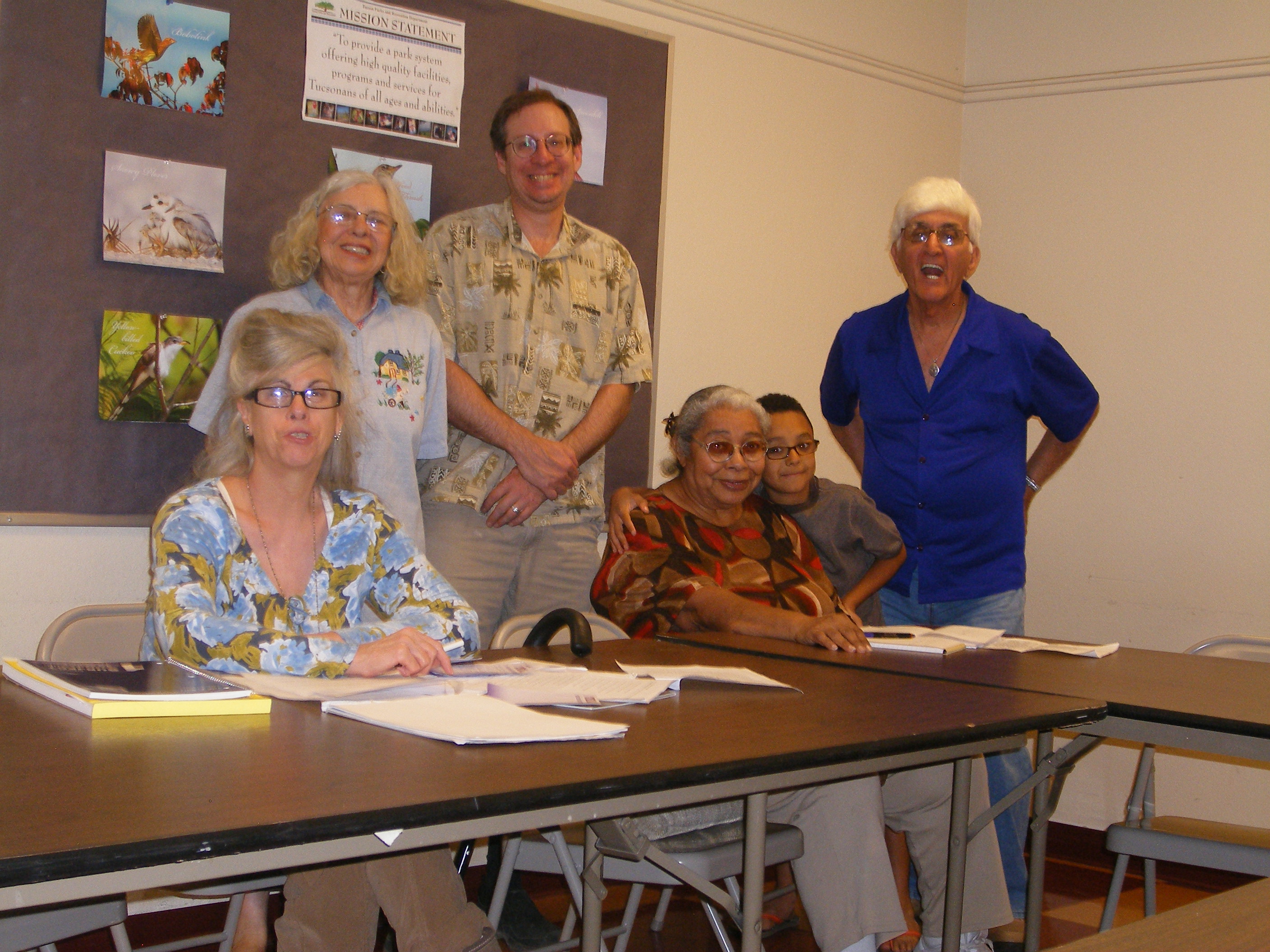 Workshop Two, focusing on the haiku of Marlene Mountain, explored how the initial haiku in U.S. English (introduced, arguably, in the 1950s) evolved into what is currently promoted in English as a form of ten-to-fourteen syllables. Throughout, but mostly in Workshop Three, attendees shared original work: One participant incorporated calligraphy; another haibun; another read haiku in German, demonstrating how sound patterns, even without sense, can convey emotion.

 Another program of note is the