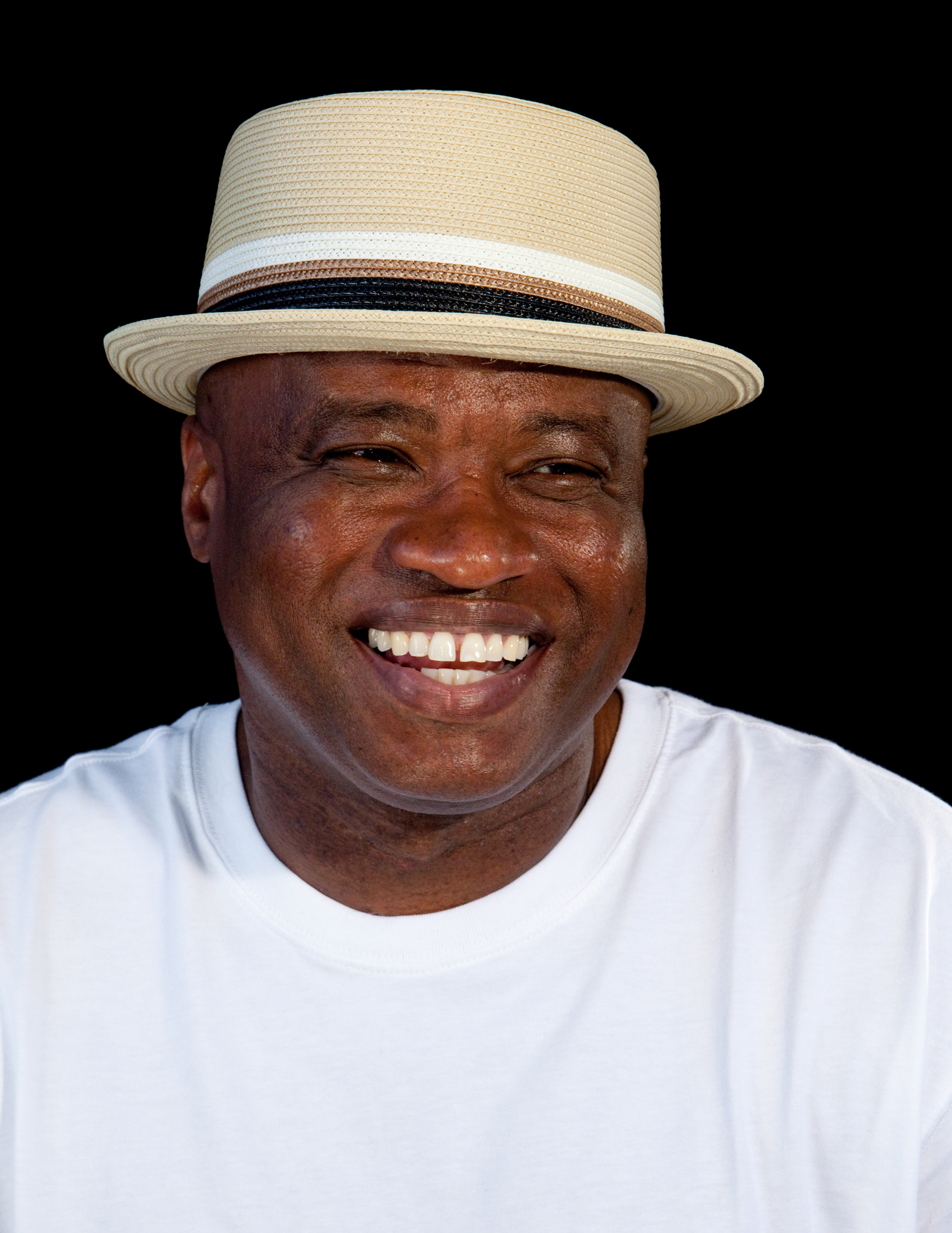
P&W–sponsored poet Randall Horton writes about forming relationships with venues. Horton is the recipient of the Gwendolyn Brooks Poetry Award, the Bea Gonzalez Poetry Award, and the National Endowment of the Arts Fellowship in Literature. A Cave Canem Fellow and member of Affrilachian Poets, Horton's lastest poetry collection Pitch Dark Anarchy will be published by Northwestern University Press in Spring 2013.
 Before the publication of my first poetry collection,The Definition of Place, the idea of performing my writing never crossed my mind. I'd been active in several poetry communities, but it wasn't until the book arrived and I held it in my hands that I realized the promotion of it would be a task to which I was not accustomed. It was the early grant support Poets & Writers gave me to go out and read my work that enabled me to introduce myself to a larger and varied audience—and to nurture relationships—especially on the East Coast, which is where I am based. I think it is important that beginning poets understand that the Readings/Workshops Program at Poets & Writers can help provide these opportunities to writers.
With the help of many friends and poets, including the late Adarro Minton, Lita Hooper, and Fred Joiner, I was given a platform to reach an audience at a range of poetry venues including the Social Justice Center in Albany, the YMCA Downtown Writer's Center in Syracuse, headed by the poet Phil Memmer, The Revolving Door Series in Chicago, hosted by Jennifer Steele, the Southwest Arts Center in Atlanta, as well as the American Poetry Museum in Washington, D.C.
I would like to think all artists pursue their art only to express their passion and creativity, but the reality is it helps to be financially compensated for the work we do. Receiving grants from Poets & Writers makes poets feel worthy, if only in small way, which in turns helps to feed our art. These opportunities also help us reach a larger audience. My advice to beginning poets is to continue to cultivate relationships with venues where you read, and make them aware that funding through Poets & Writers is available, because we all want to feel appreciated, if only for a moment.
Photo: Randall Horton. Photo credit: Rachel Eliza Griffiths
Support for Readings/Workshops in New York City is provided, in part, by public funds from the New York State Council on the Arts, and the Department of Cultural Affairs, with additional support from the Louis & Anne Abrons Foundation, the Axe-Houghton Foundation, the A.K. Starr Charitable Trust, and Friends of Poets & Writers.





