




Story Prize Announces 2012 Judges
The Story Prize, an annual book award given for a short story collection, has announced its panel of judges for the 2012 awards. They are critic and writer Jane Ciabattari, author Yiyun Li, and bookseller Sarah McNally.
Jane Ciabattari is the former president of the National Book Critics Circle, and the author of the short story collection Stealing the Fire (Canios Editions, 2002). Her reviews, interviews, and reportage have appeared in the New York Times Book Review, the Boston Globe, Bookforum, Salon, the Paris Review, the Los Angeles Times, and the Washington Post, among many others.
Sarah McNally founded McNally Jackson Books, New York City's largest independent bookstore, which she has owned and operated since 2004.
Yiyun Li is the author of the story collections Gold Boy, Emerald Girl (Random House, 2010) and A Thousand Years of Good Prayers (Random House, 2005) and a novel, The Vagrants (Random House, 2009). A former MacArthur Foundation fellow, she has received the Hemingway Foundation/PEN Award, a Whiting Writers’ Award, and the Guardian First Book Award. In 2007, Granta named her one of its Best of Young American novelists, and in 2010, The New Yorker named her one of its top 20 fiction writers under 40.
Judges for The Story Prize are selected from various literary fields, and have included writers, editors, booksellers, librarians, critics, journalists, and academics.
Founded in 2004 by director Larry Dark, the Story Prize is given for fiction collections published in the United States during the previous year. The winner receives $20,000, and each finalist receives $5,000. Past winners have included Edwidge Danticat, Anthony Doerr, Mary Gordon, Patrick O'Keeffe, Jim Shepard, and Tobias Wolff. Last year, Steven Millhauser won the prize—edging out finalists Don DeLillo and Edith Pearlman—for his collection We Others (Knopf, 2012).
The submission deadline for this year’s Story Prize is November 15. Finalists will be announced in January, and the winner will be announced at a ceremony in New York City on March 13. For more information and up-to-date news, visit the Story Prize blog.
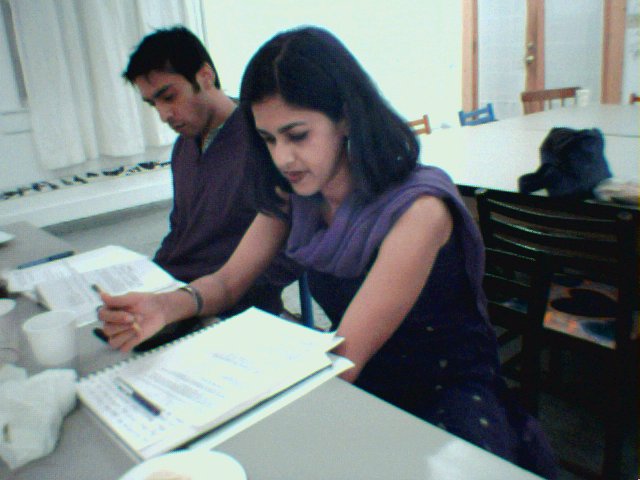 th teenagers, I wanted to work more with adults. So Shaista and I began planning a workshop that spoke to the rootless-ness we both felt, whether we were in Karachi, Houston, or somewhere else. Shaista and I dedicated much thought to our workshop title—just as VBB co-founders and I had spent time honing in on the right title for “our” organization three years earlier. We finally agreed on “Voices of the Displaced,” a title that rang true for us. It also attracted a pool of Houston-based writers who were born in other countries or elsewhere in the United States, who had come from communities of color, or identified themselves as GLBT/queer. Project Row Houses offered us a meeting space and co-sponsored the series. We sent out emails inviting people to join—VBB didn’t even have a website at that time. Our first group was intimate with only six participants, but over time, the group expanded. We always brought food and drinks and our gatherings offered formal writing but also a sense of community.
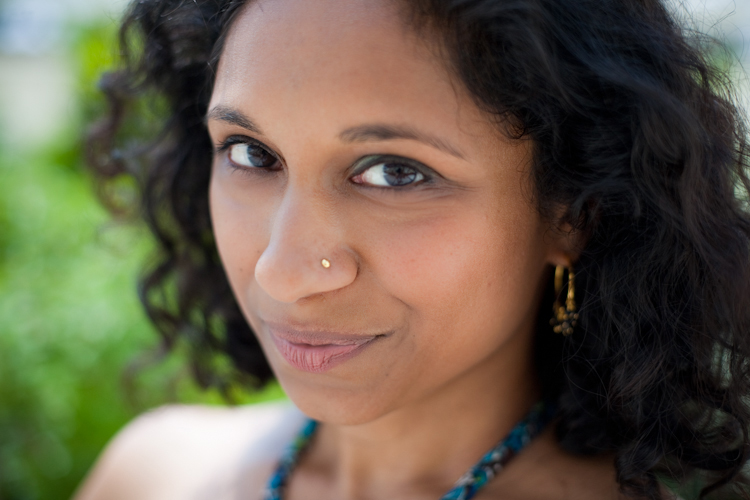 In Sanskrit, “dakshina” means “offering.” Beyond performing both bharata natyam and modern dance, Dakshina/Daniel Phoenix Singh Dance Company offers the community events that celebrate important figures in South Asian history through other art forms.
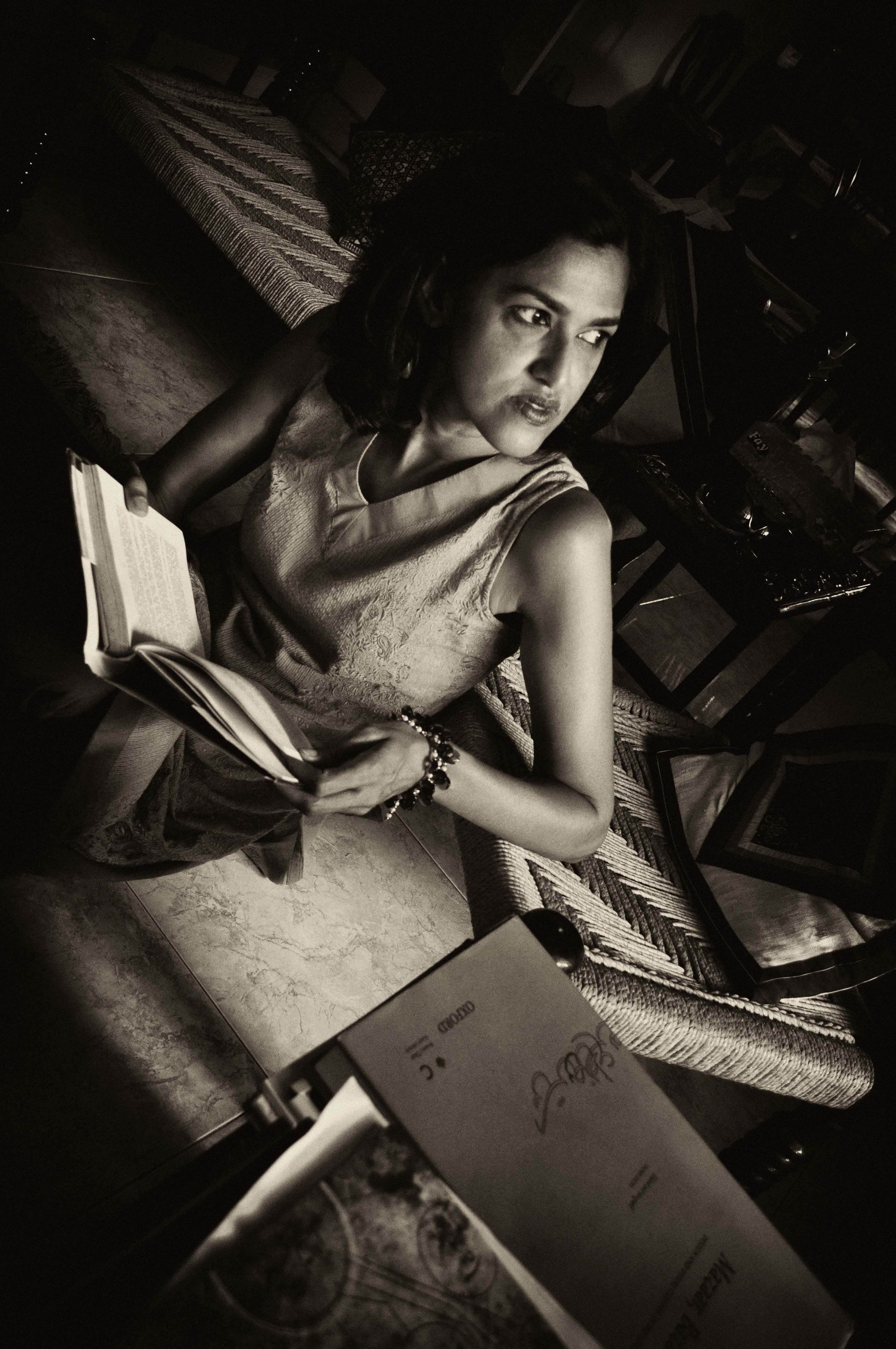 In Pakistan, September 21, 2012, was marked as a day of remembrance for Prophet Mohammad in response to a film that went viral and sparked violence in parts of North Africa, the Middle East, and South Asia. Knowing that the time difference between Houston and Pakistan was ten hours, I began checking online Pakistani newspapers as soon as I awoke. By the end of twenty-four hours, more than twenty people had been killed and six cinema houses had been burned. Meanwhile, progressive and secular communities that formed Pakistan’s majority were posting comments asking why extremists weren’t using their energies to offer help to the southern part of the country, where floods once again disrupted lives.
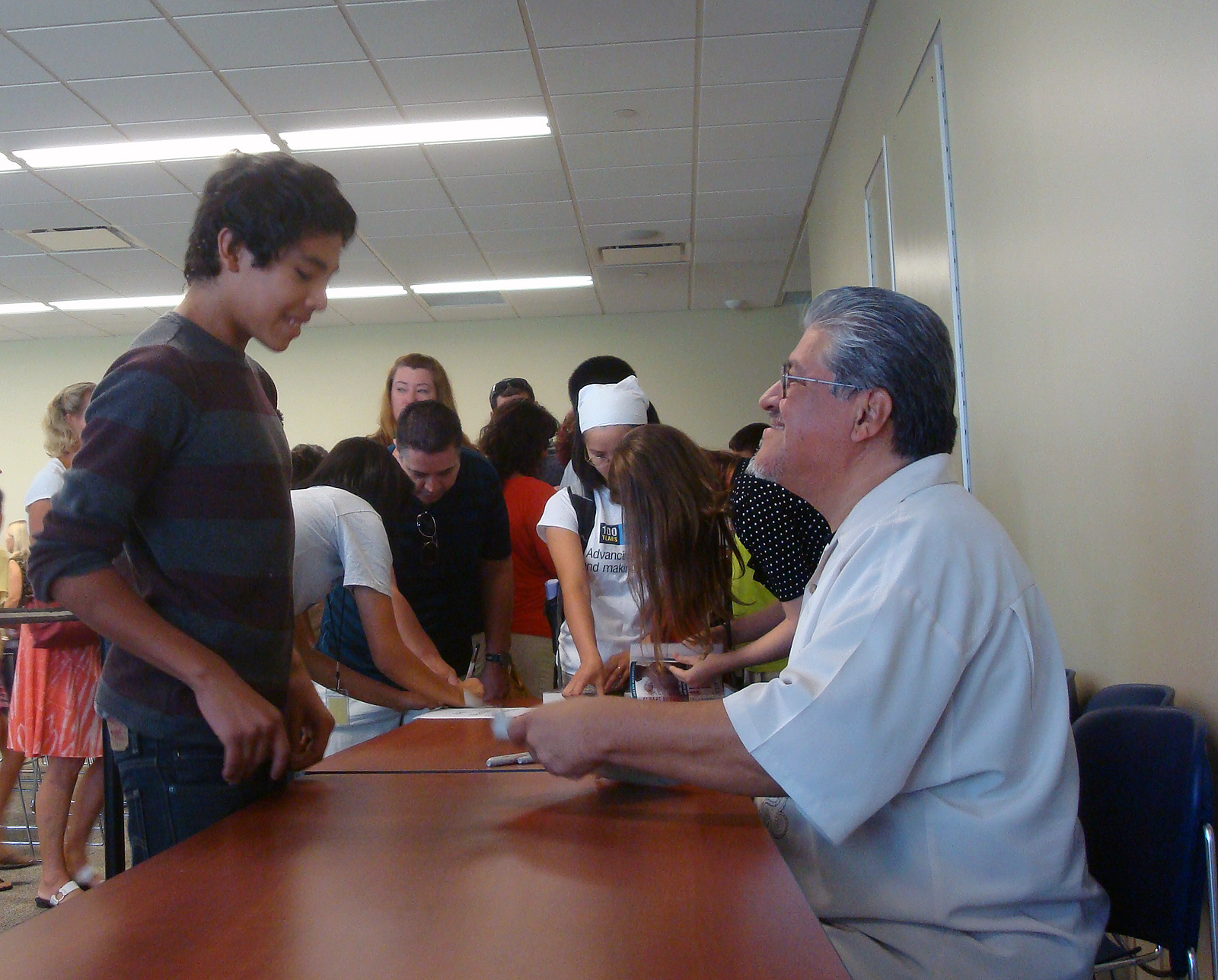 As Sunday afternoon temperatures climbed toward triple digits, a large crowd gathered in the comfortable confines of the Fullerton Public Library’s new Community Room. Families, teachers, and high school and college students waited for the arrival of Luis Rodriguez, author of Always Running: La Vida Loca, Gang Days in L.A. and director of
 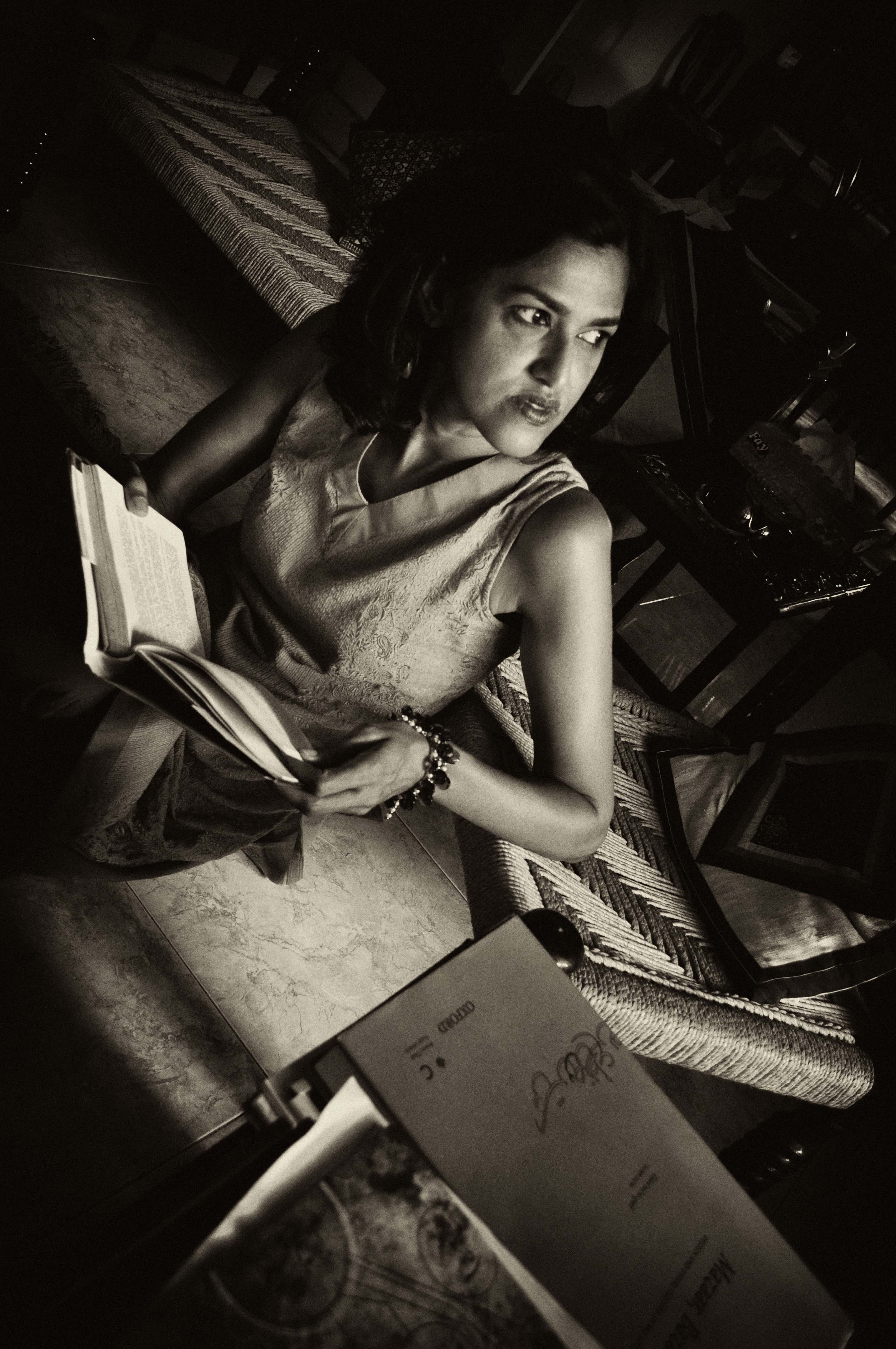 This month, as Voices Breaking Boundaries (VBB) launches our thirteenth season, I’m reminiscing about Fall 1999, when my friend Marcela Descalzi asked if I wanted to do anything before the start of the next millennium. At that time, Houston offered few options for new writers, performance artists, and grassroots activists.
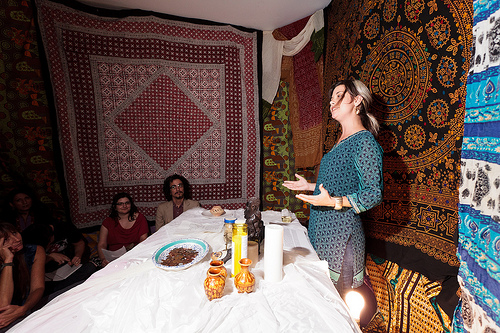 Fast forward to Fall 2012. I’m still writing and now draw a salary as VBB’s salaried artistic director. Over the years, VBB has received free performance and exhibition space and has collaborated with many other organizations, including Arté Publico Press, Project Row Houses, DiverseWorks, and Inprint, Inc., and has featured artists such as Arundhati Roy, Bapsi Sidhwa, and Patti Smith—all while continuing to tackle some of the most controversial issues of our times. We have carved a niche for our unique productions, living room art, through which we convert residential homes into art spaces and use the experience to create connections between Karachi, my home city, and Houston, where I’ve lived for some time. The productions, elaborate one night flares, meld spoken word, music, performance and videos with installations.
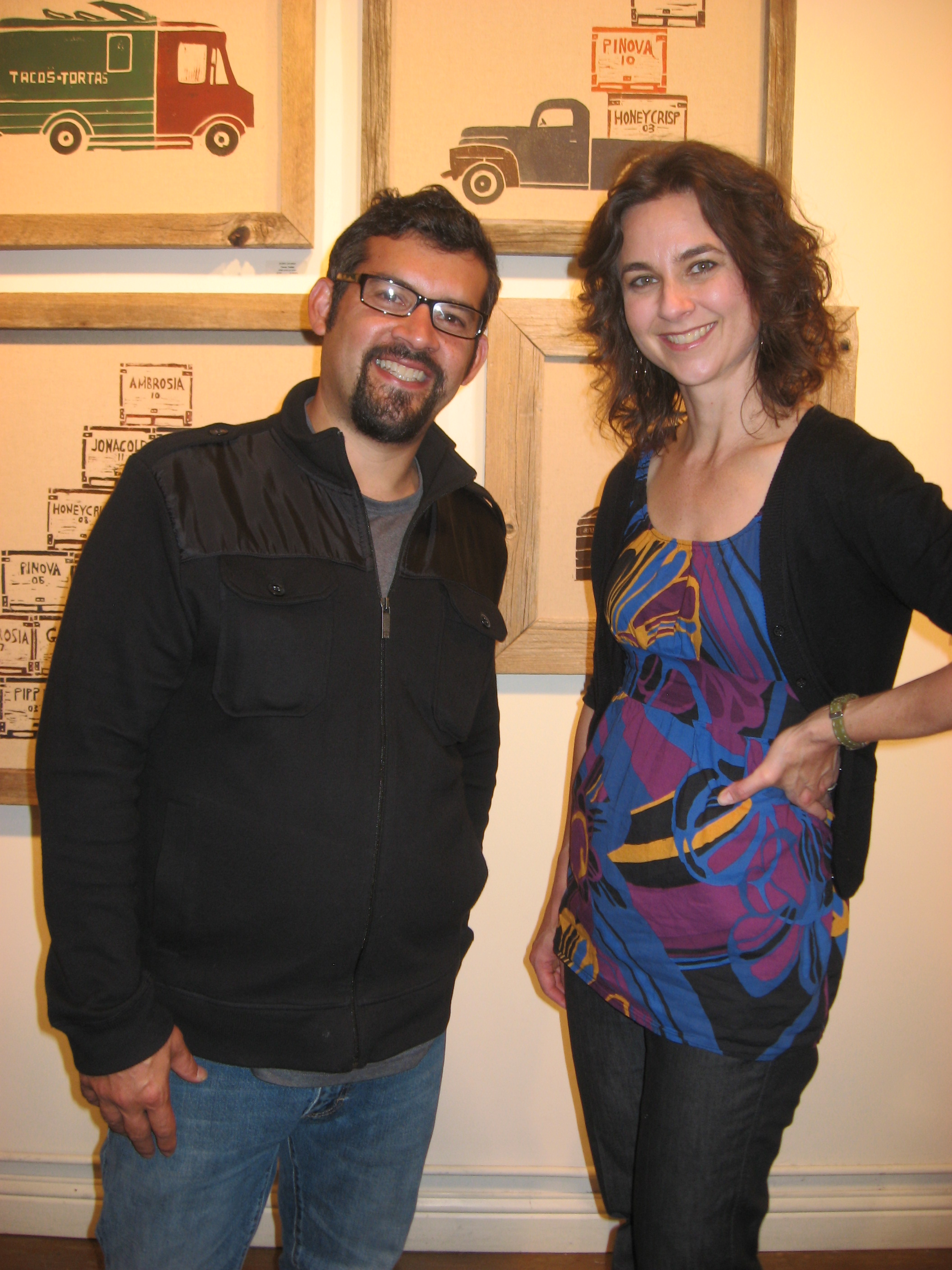
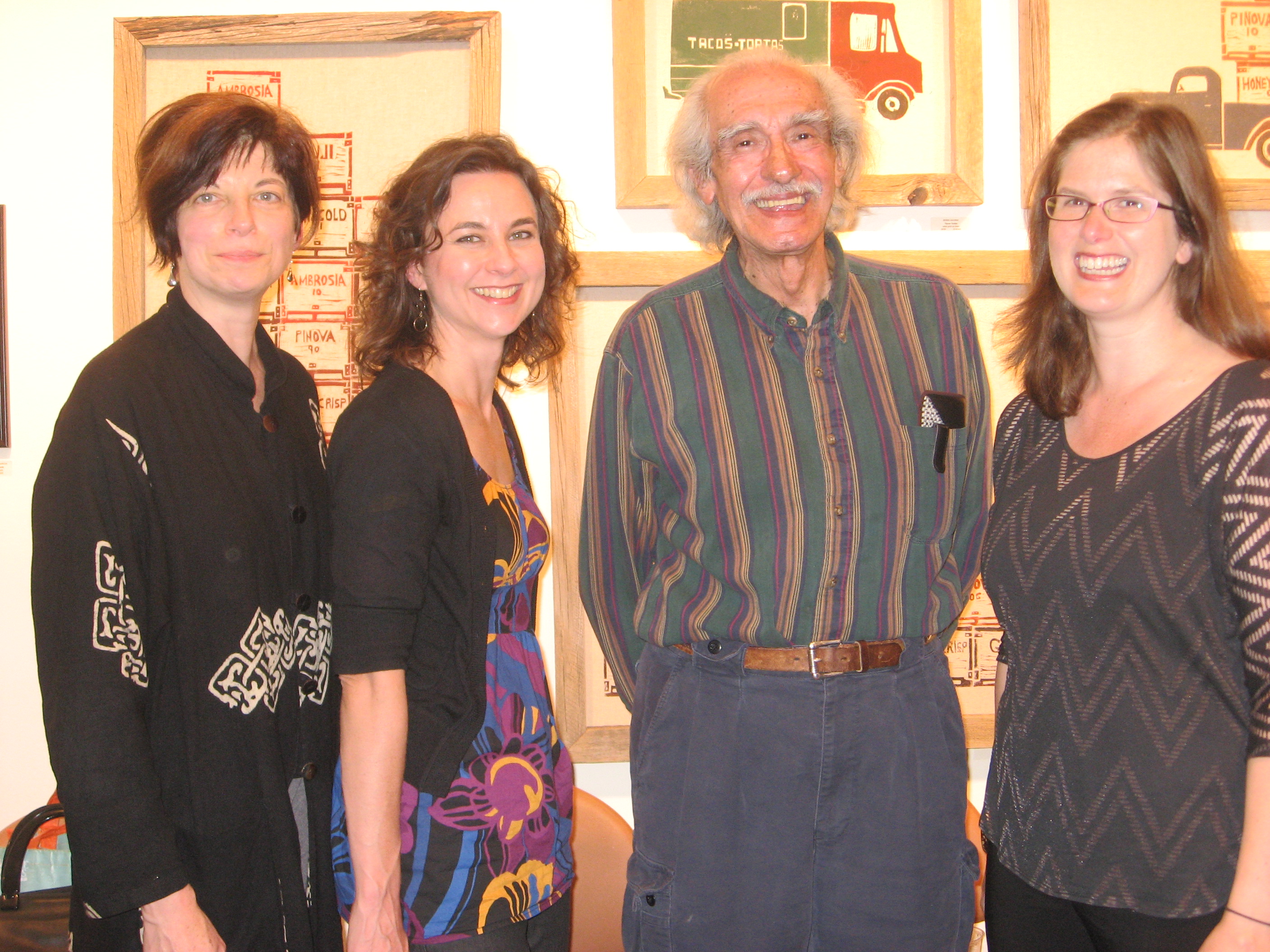 On a hot summer evening in Seattle, four writers presented new works responding to Rooted: Latino/a Artists’ Connection to Native and Adopted Lands, an art exhibit at Seattle’s Columbia City Gallery. The exhibit, a partnership between Columbia City Gallery and La Sala, a nonprofit Latino/a artists’ network, brought together regional visual artists and writers exploring themes of roots, family, identity, and home.
 “Hello, my name is