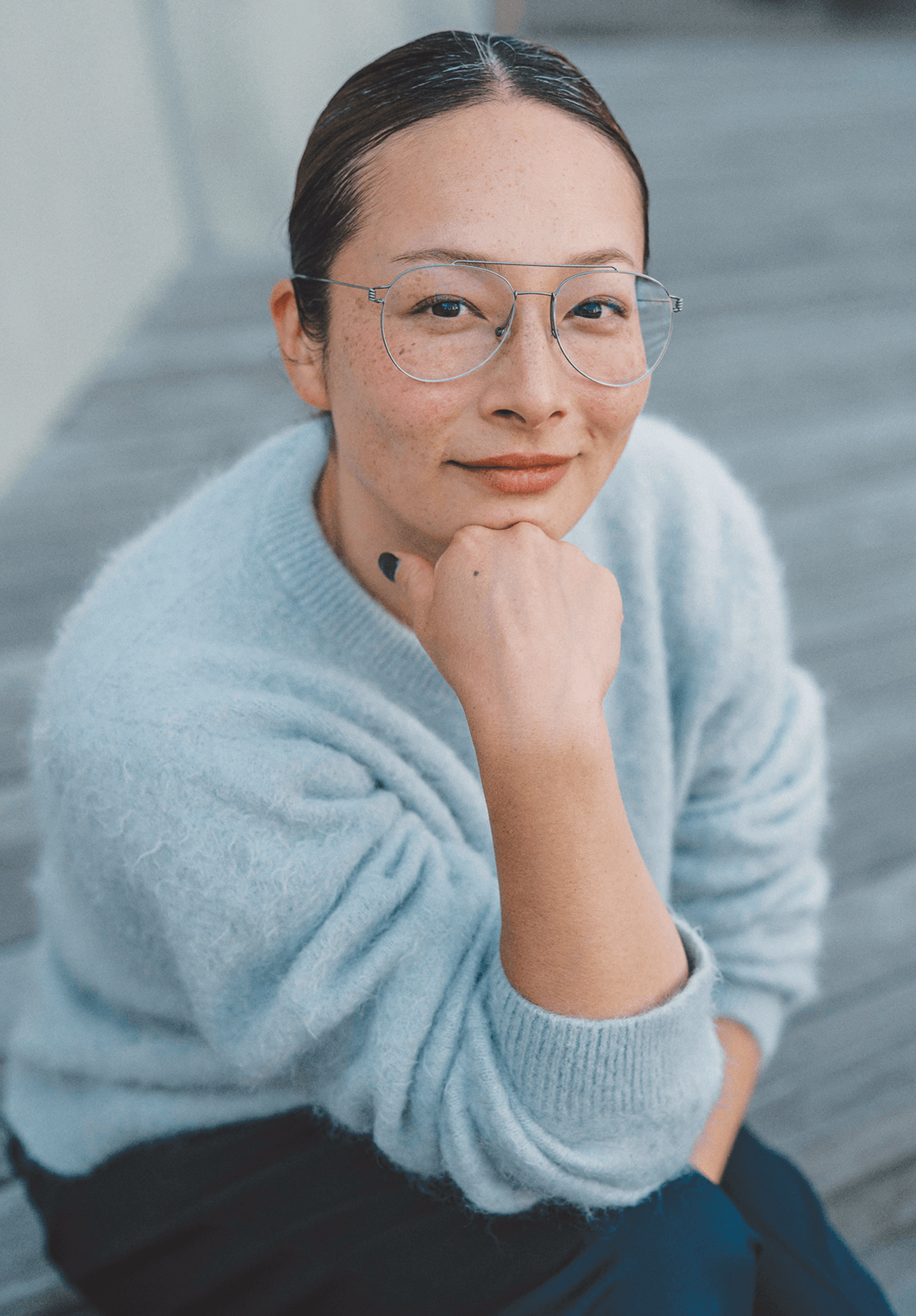
In June 2026, after more than a decade as an agent, working first at Folio Literary Management, then at Ayesha Pande Literary, Annie Hwang founded her own agency: Renegade Literary, which calls for books “that need to exist on their own terms.” Hwang, whose clients include poets and literary fiction writers who have been with her across her agency moves, recently spoke about the opportunities inherent in running her own shop and her continued commitment to diversifying the publishing industry.
What moved you to start a new agency?
It came out of necessity. Across the course of my entire career, I have been trying to find the fuller version of agenting. [At other agencies] I wasn’t part of the management team. I always felt like I had to earn my keep. One tension I was navigating was how do I meet the bottom line and still take the risks I want. I now have room to take bigger risks. I don’t have that layer of self-consciousness about how long it is taking. There is something to be said for being beholden to no one but my own clients and myself.
Tell me about your process with a new book.
I’ll read [a submission] in four to five hours, and then I’ll spend two weeks thinking about it. [After I sign the author, we] have a conversation to nail down the editorial details of what the book needs, the nuts and bolts on a timeline, how our working styles are going to cohere, then hammer out what is required of each of us between now and when we go out on submission. The pre-submission editorial process is about the art, with the commercial possibilities in the background, but submission is when it switches: How do we honor the art while positioning the book as a product to be consumed? I put together a sub list and a sub letter, and I think about all the different houses the book could go to. Between submission and the deal process, the author and I are in rapid communication. I have been their go-to person, but after they start working with an editor, my role is to create the space for the editor to develop a deep relationship with the author.
You’ve spoken about the need for more people of color in the publishing industry. How do you make change?
You want decision-makers who can stay in the system long enough to have influence. I think it comes down to people in positions of power who are consciously resisting the narrative default in book publishing. I also think about the readership. What is the kind of book that is going to bring in more readers? Consciously I’m trying to resist the biases in the system by not changing what I’m choosing. I’ve had editors and clients who are like, “I’m excited to work with you because you take on big-swing books.” [My] consistency is a way of resisting.
You are a rare agent who represents poets. How does working with a poet differ from working with a prose writer?
In terms of advocacy and matchmaking, it’s not that different. Poets are gritty, and they know how to hustle more than anyone. They are put in this impossible position of being their own advocate. My poets are the clients who have the most irons in the fire at any given time. A lot of my work with poets is career and project management. It’s strategizing the long view. Usually poets I take on have at least one or more books out there, and the book they are working on with me is their first trade publication.
Tell me about the name Renegade Literary.
I looked at my list and I wanted something all-encompassing. All my books are misbehaving in their own way. There is something about them that feels contradictory but is in service to the work. The books I’ve worked on, many of them should not have spoken to the marketplace. So all my books are little outliers that have managed to find resonance and readership.
What is your vision for Renegade Literary over the next five years?
I’m seeing a bit more poetry and probably less nonfiction…[continuing] to specialize in the literary fiction that I love and also growing and maintaining a list of established poets.
What gives you hope in the world of books and publishing?
I feel like there is so much tumult in the world right now. One of my goals for this interview was not to say “AI”—but the proliferation in the creative field has threatened to diminish the hope in this industry. What keeps me in it is the people and what they are able to imagine and create and share with one another—the joy of doing that work.
Emily Pérez is the author of What Flies Want (University of Iowa Press, 2022) and a coeditor of the anthology The Long Devotion: Poets Writing Motherhood (University of Georgia Press, 2022). She lives in Denver with her family.
Photo credit: Alena Benikovska