




An Evening of Poetry and Music
P&W supported poet Aliki Barnstone blogs about her reading for Saint Julian Press in Houston, Texas. Barnstone is also a translator, critic, and editor. Her books of poems are Bright Body (White Pine, 2011), Dear God, Dear Dr. Heartbreak: New and Selected Poems (the Sheep Meadow Press, 2010), Blue Earth (Iris, 2004), Wild With It (Sheep Meadow, 2002), a National Books Critics Circle Notable Book, Madly in Love (Carnegie-Mellon, 1997), Windows in Providence (Curbstone, 1981), and The Real Tin Flower which includes an introduction by Anne Sexton and was published by Macmillan in 1968, when Barnstone was twelve years old. She is Professor of English in the Creative Writing Program at the University of Missouri, Columbia.
 On April 4, 2014, I participated in a reading at Trinity Episcopal Church in downtown Houston, which was organized by Ron Starbuck, editor and publisher of Saint Julian Press, and cosponsored by Poets & Writers. Ron beautifully orchestrated the event in a truly unique way that I found exhilarating and profound.
There were three poets—Melissa Studdard, Leslie Adrienne Miller, and myself—and there was a pianist, John Hardesty. Before the reading, we poets e-mailed Ron the poems that we planned to read, which was a first for me. There was a bit of back and forth between the four of us, so we could get the timing and the length right. Then Ron arranged the poems into sets. I was a little disconcerted when he changed the order of the poems I’d sent, but I was also open to the adjustment because the whole event was so unusual (and his re-ordering proved to be a much better unfolding).
The usual circumstance, as the readers of this blog know, is that each author is given a certain amount of time, and then whatever happens, happens—which can work well or can lead to some consternation when someone reads too long or if one person is miffed to read first and perceives that he or she is a “warm-up” for the “headliner” who reads last.
All those prospects for unseemly drama were eliminated by Ron’s process. He printed out scripts for us, which were ordered in three-ring binders and placed on music stands. John Hardesty played a prologue, each of us read a set, and between readers, John responded with improvisation. We each read two sets. John’s music was meditative and created an atmosphere that was receptive to poetry and to the ineffable.
When I give readings, I usually have a set list with alternatives, depending on how the audience responds. The musical interludes combined with the script made this unnecessary, so the part of my mind that usually considers whether I’m reading the right poems was free to listen to the music and my wonderful fellow poets, and to commune with all the souls present.
The format freed me in other ways too. I must admit, I find that when I’m reading with others I can’t be as attentive as I’d like. If I read after someone, I can’t give my undivided attention to his or her reading because I’m too revved up (and I’m also thinking about alternative poems to read that might better dovetail with the reader before me). However, if I read before someone, then I may still be too distracted to concentrate fully on the person’s work, because I’m recuperating from my own reading. Despite my regard for the other person’s work and my best intentions, there’s still a bit of noise in my mind.
Ron’s arranging genius allows the readers to interact wholly with each other, John’s music, the audience, and the place itself. For me, it was a particular joy to immerse myself in Leslie’s and Melissa’s work, and to hear their poems performed aloud while simultaneously seeing them laid out on the page.
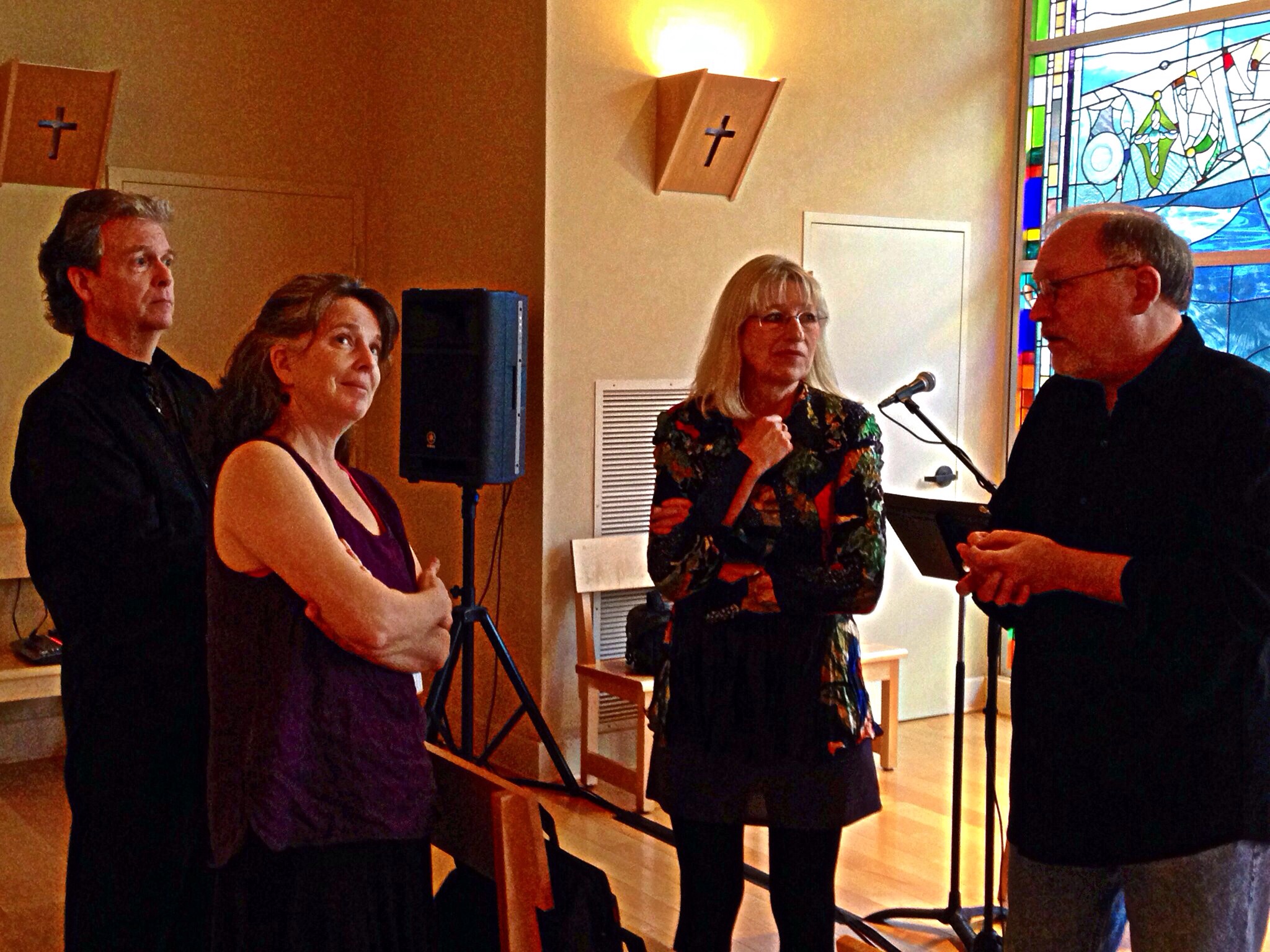 The venue and the audience contributed to a feeling of connection, high spirits, and aesthetic abundance. The series is held in the beautiful chapel of the historic Trinity Episcopal Church in downtown Houston, with its gorgeous stained glass windows and paintings. The chapel was filled to capacity with people who are regular attendees, as well as newcomers.
This event came at a pivotal moment in my career since my book, Madly in Love, was just reissued as a Carnegie-Mellon Classic Contemporary. The fact that I could celebrate this significant publication in Houston, where I have familial ties, was especially gratifying. My uncle, Howard Barnstone, designed the Rothko Chapel; my aunt, Gertrude Barnstone, is a well-known artist and activist; and my cousins, George Barnstone and Lily Barnstone Wells, and their families still live in Houston and are active members of the community.
In the course of meeting people in Houston, making connections and reconnecting, I was deeply touched to discover that people see me as part of a legacy. The reading generated a lot of interest in my work, and the fact that there was a lot of talk about bringing me back makes me very happy.
Hear recordings of Barnstone and her fellow readers from this event.
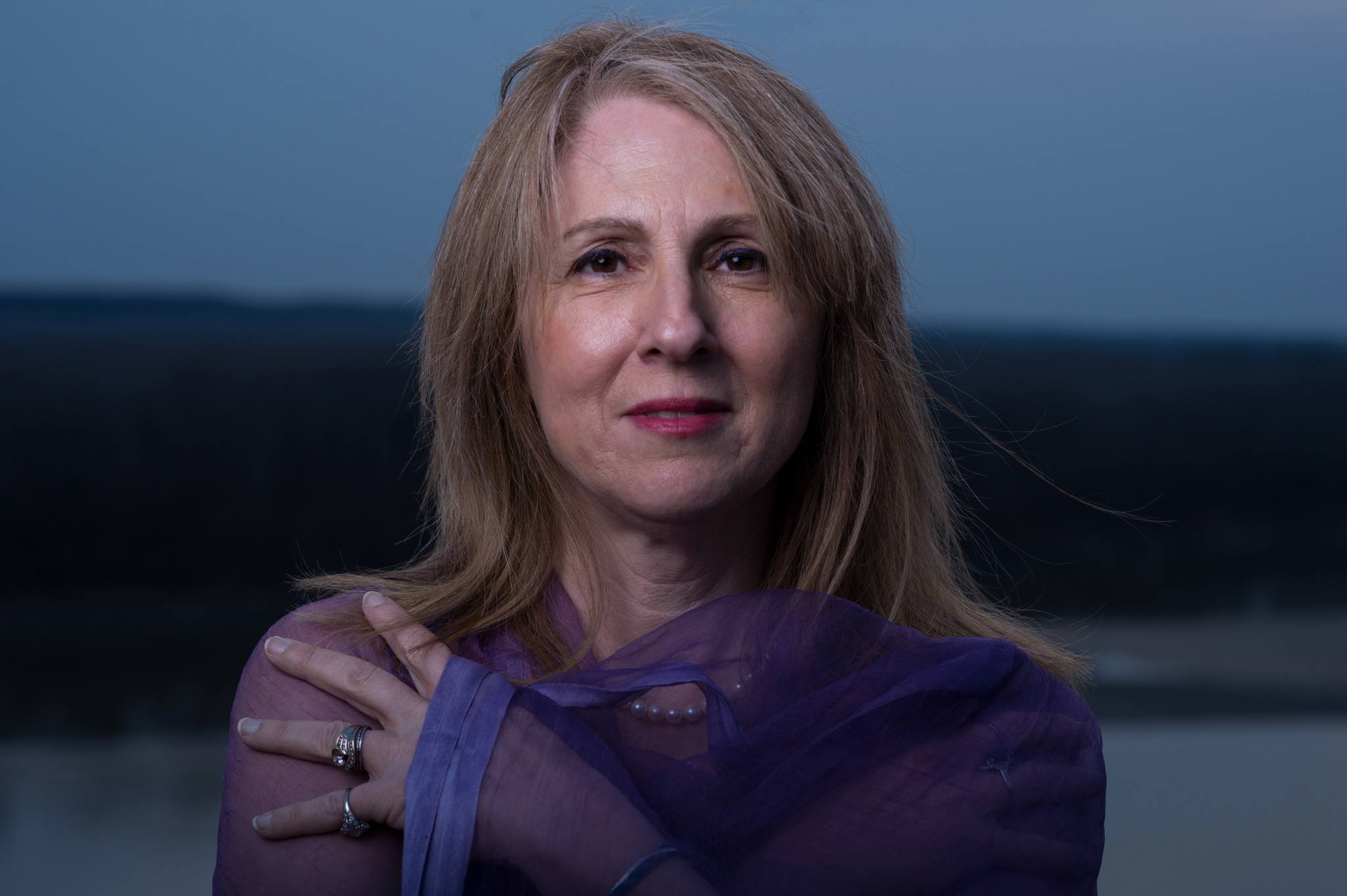
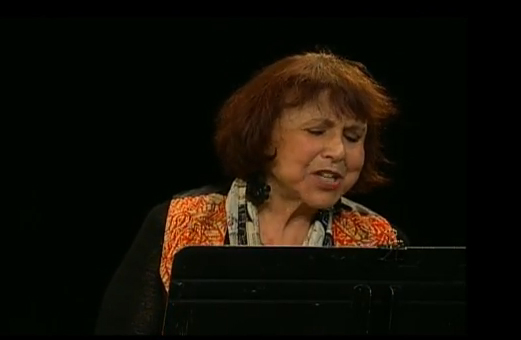
Photo: (top) Aliki Barnstone. Photo Credit: John Farmer de la Torre.
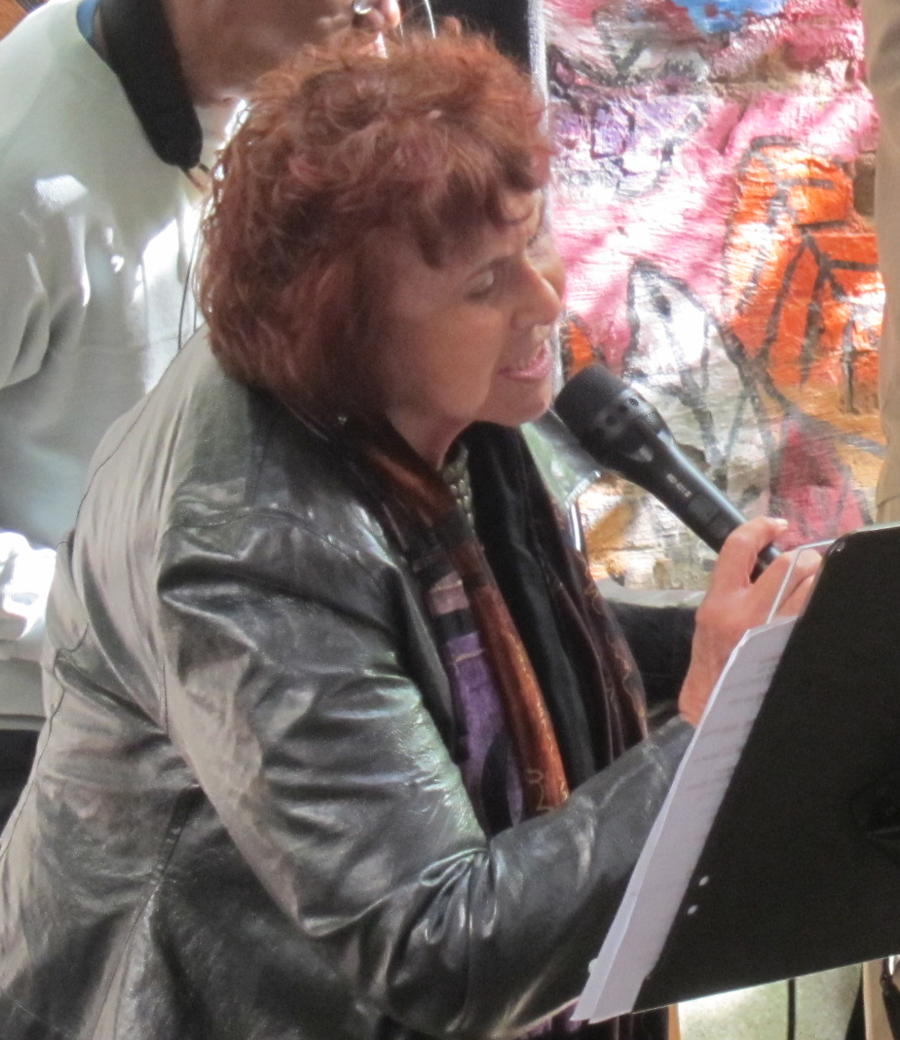
(bottom) John Hardesty, Ann-Marie Madden Irwin, Leslie Adrienne Miller, and Ron Starbuck. Photo Credit: John Farmer de la Torre.
Support for Readings & Workshops events in Houston is provided by an endowment established with generous contributions from the Poets & Writers Board of Directors and others. Additional support comes from the Friends of Poets & Writers.
 Out of the bustling mass of high schoolers being dismissed after our poetry workshop, one young man stopped in the doorway to utter these words, "that thing changed my life," with a look of wonder upon his face. His classmates had already reinserted their earbuds and pulled out their phones for the bus ride back to school. After this student had said his piece, the look faded and he went to catch up with the group. Fleeting moments like that keep me inspired.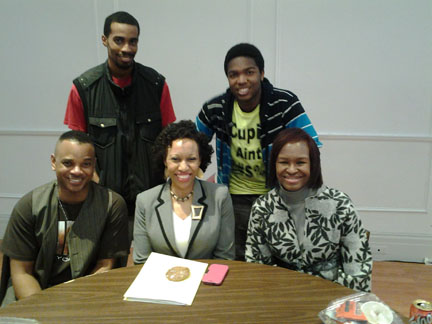
 What makes your organization and its programs unique?
  In 2008, I moved to Yonkers, New York, and came across Blue Door Gallery, a quaint gallery on a main street next to a boarded-up building. Giving back to community and nurturing diversity is essential to who I am. I began as a volunteer, facilitating writing workshops, and with the help of Poets & Writers, I became Blue Door Gallery's poet-in-residence, and ArtSpeak was born.
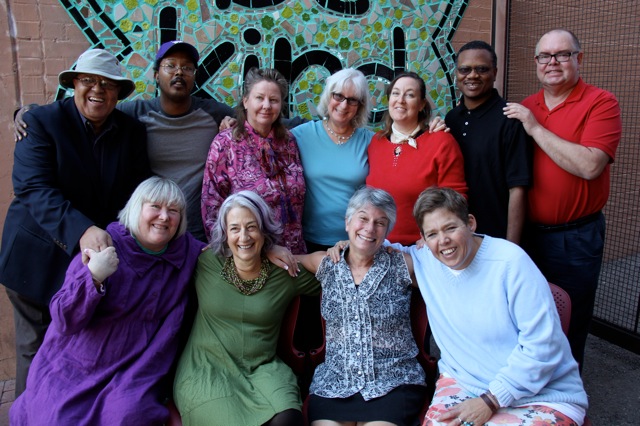
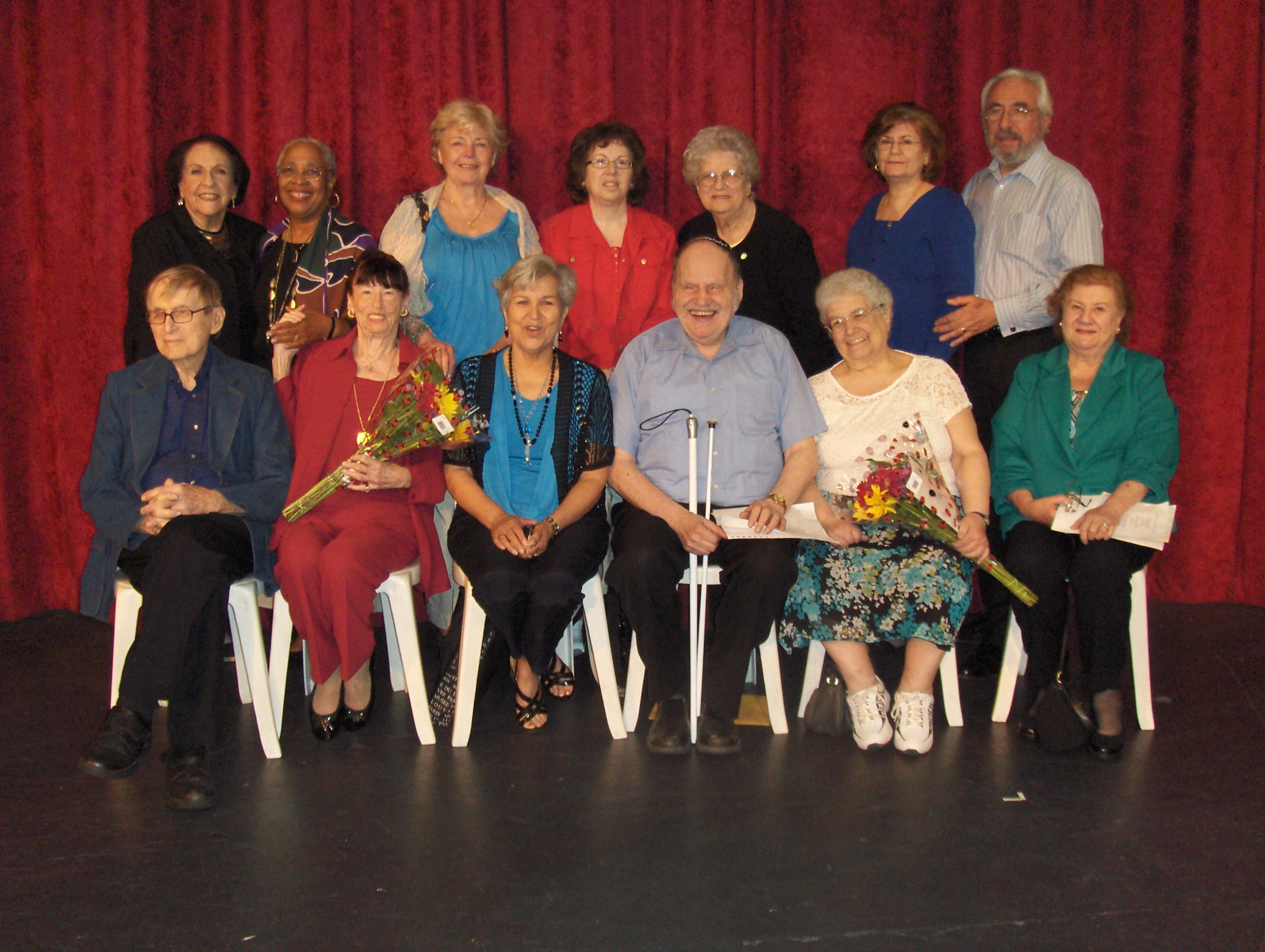
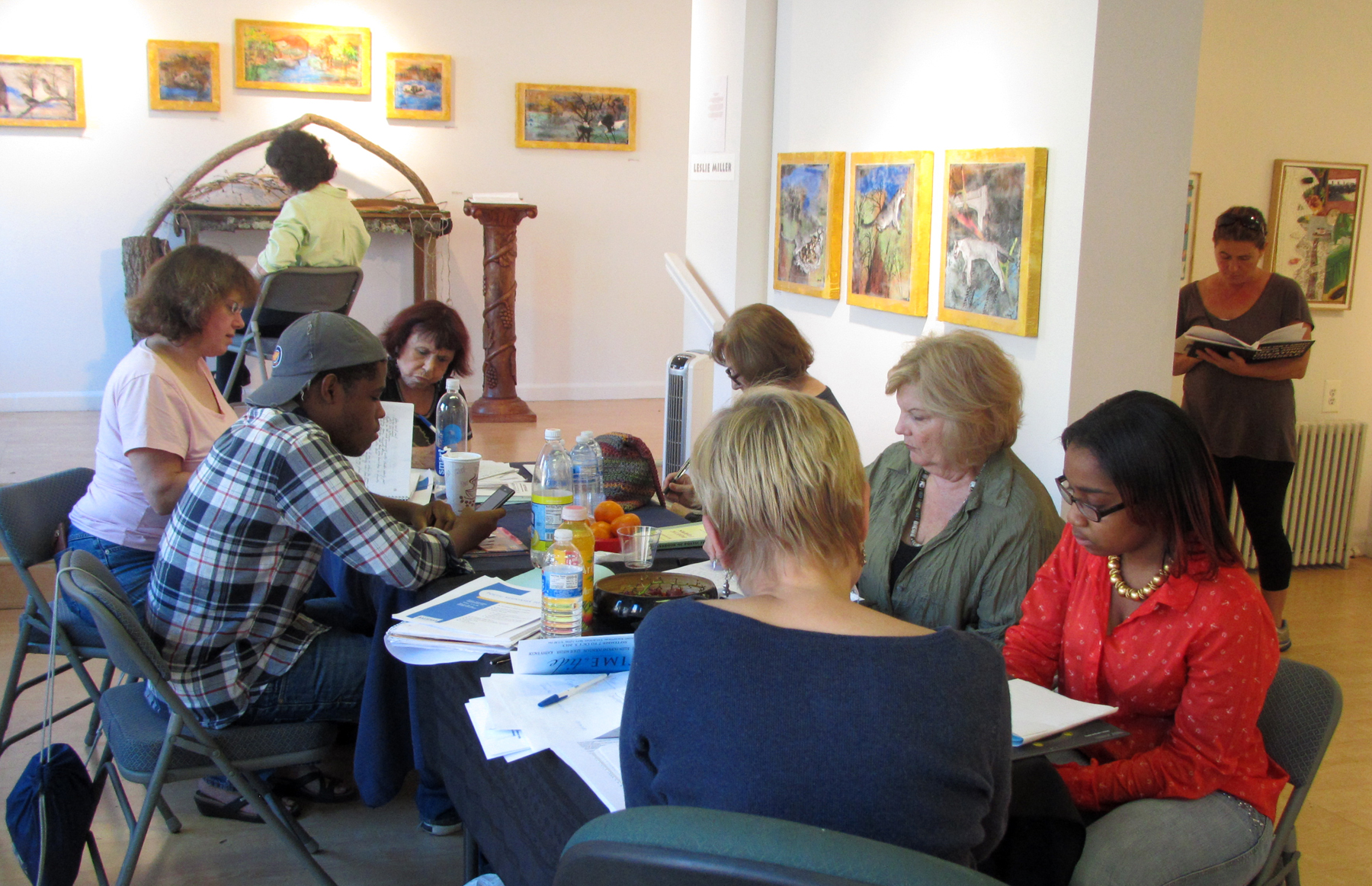 I facilitate eight workshops each calendar year, as well as two in the community outreach summer program. Each workshop is two and a half hours and allows leisurely viewing of the art with ample time for first draft free-writing and sharing in a welcoming atmosphere. Recent workshops have included an additional From Page to Performance workshop hour. Friends, family, and community members are invited to witness our “raw” work. On occasion, the artists attend, answer questions, and are invited to write—a rewarding experience for all.
 It is gratifying and a privilege to work with these writers and receive positive feedback. One member noted, “This need to accept my creative side is the invaluable part of the ArtSpeak experience for me. The other part is working with visual art and having this art as prompts to stir my words."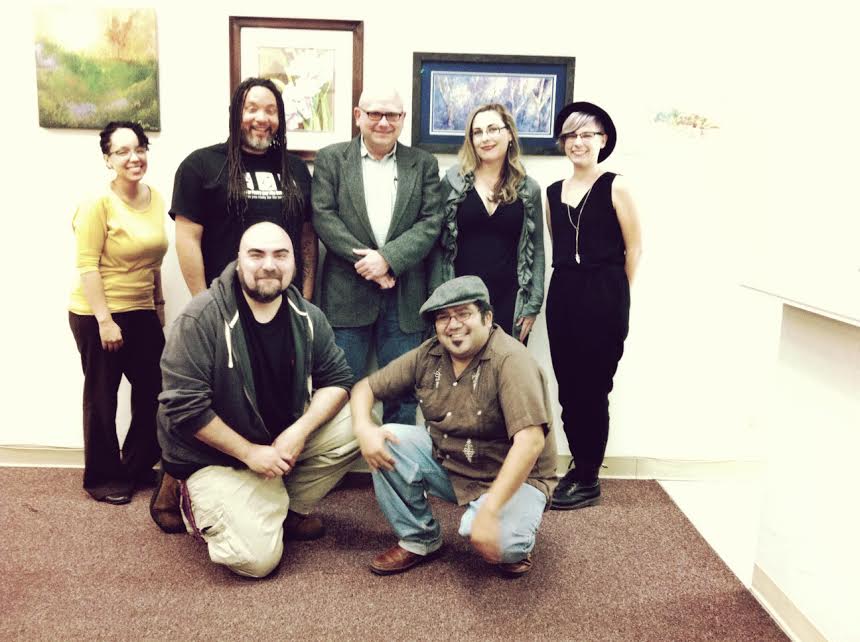
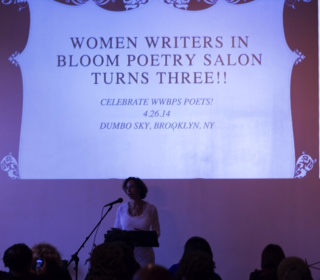
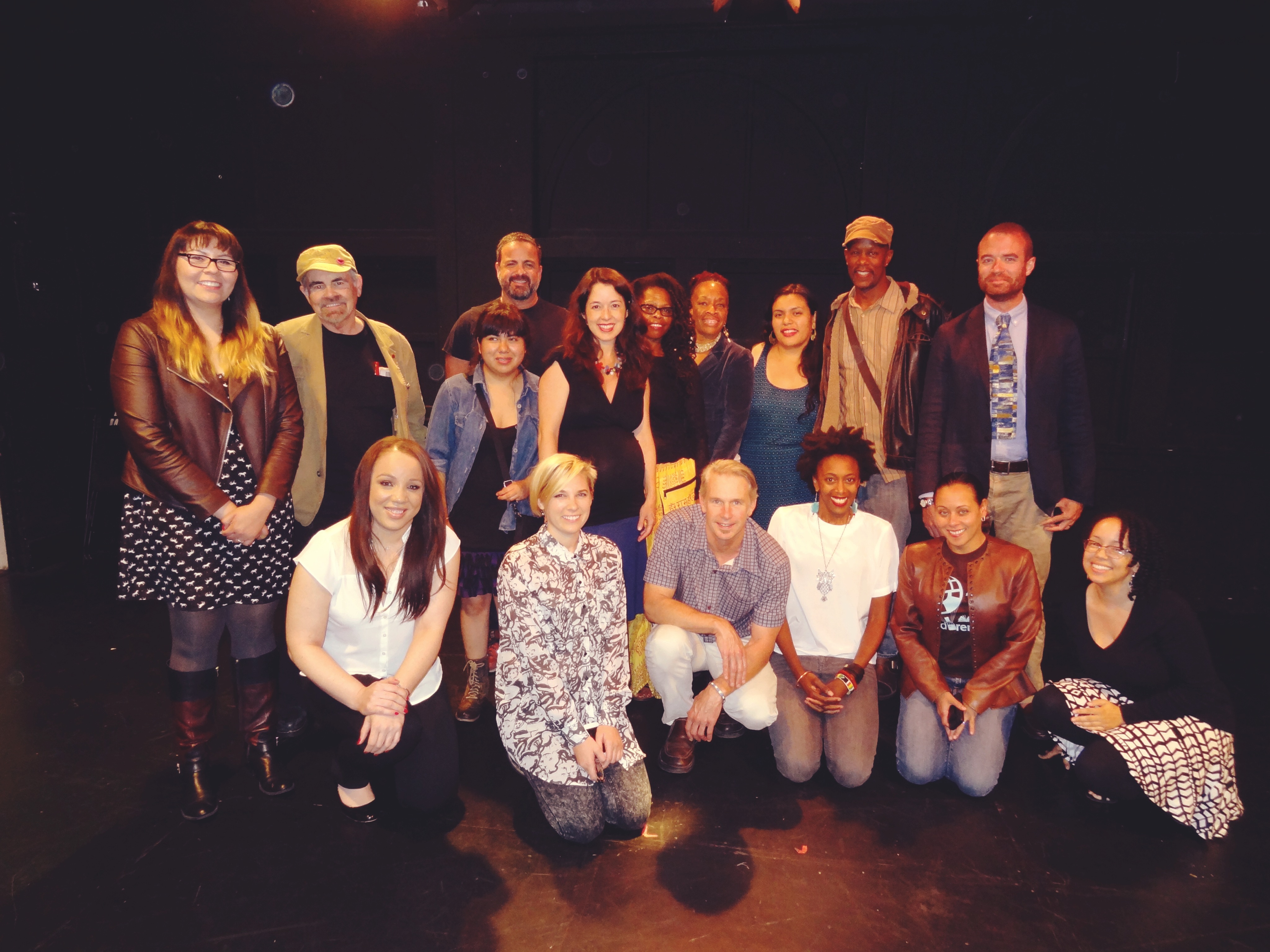
 Our monthly Salons have grown and can now accommodate between twenty-five to thirty participants. We have served over six hundred participants in the past three years and continue to expand opportunities for Salon members. This year I started a Spring Reading Series “Celebrating a Sacred Space for Women’s Voices: Women Writers in Bloom” at the Bowery Poetry Club, featuring dynamic and diverse Salon poets. This new Series, also funded by Poets & Writers, has its next installment on May 18, 2014, at 1 PM. We had our first out-of-state Seattle-based Salon during AWP at an off-site venue this year. I was recently awarded my very first Brooklyn Arts Council (BAC) Community Arts Fund Grant on behalf of the Salon. This grant allowed me to rent the gorgeous DUMBO Sky venue for our April celebration. Last month WWBPS was one of four literary organizations whose members were invited to participate in Poets & Writers' fifth annual Connecting Cultures Reading, which was a true honor for the Salon and our members.
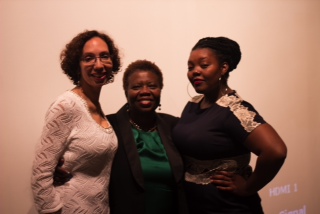
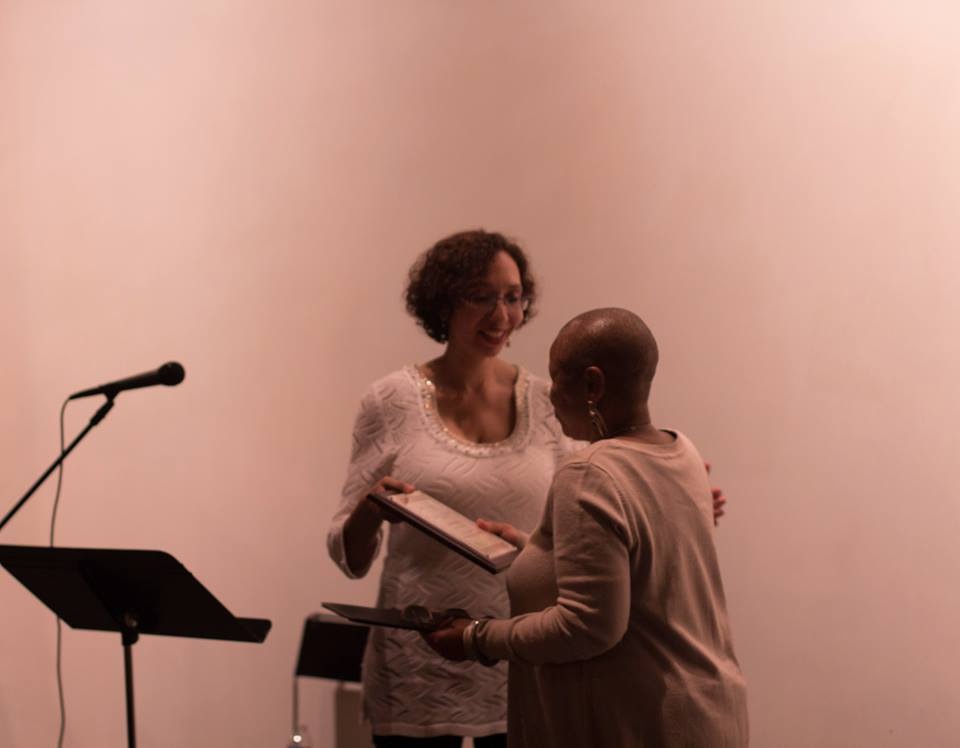 It has been an amazing feeling to watch the Salon blossom in both membership and outpouring of support. Our three-year anniversary celebration on Saturday, April 26, at DUMBO Sky was one of our largest, most successful events to date! We had nearly seventy guests in attendance. It was wonderful to have the support of Poets & Writers for this anniversary celebration. Our featured poet, phenomenal performer Mahogany L. Browne, performed an excerpt of her manuscript turned multi-media poetry production, #redbone, along with musical accompaniment by Mel Hsu. The performance was inspirational and mesmerizing. Since a large goal of the Salon is to support and nurture women writers, I also honored two long-time Salon members: dynamic poets Cheryl Boyce-Taylor, curator of the Calypso Muse Reading Series and the Glitter Pomegranate Performance Series, as well as Lorraine Currelley, founder and director of Poets Network and Exchange, were presented with certificates of appreciation in recognition of their outstanding dedication to our writing community. This event was spectacular! Salon members and volunteers donated tons of food, wine, beverages and gave freely and generously of their time. This was an event created for our community and was truly a success because of our community!