What Is Found Here: POG, Tucson
Samuel Ace is the author of three collections of poetry: Normal Sex (Firebrand Books, 1994), Home in Three Days. Don’t Wash. (Hard Press, 1996), and most recently, Stealth (Chax Press, 2011) co-authored with Maureen Seaton. His work has been widely anthologized and has appeared most recently in Aufgabe, Black Clock, the Atlas Review, Mandorla, Volt, Rhino, Versal, Trickhouse, Eleven Eleven, Tupelo Quarterly, the Volta, and Troubling the Line: Genderqueer Poetry and Poetics.
A transplanted New Yorker, I moved to Tucson in 1997. It is often said that people move to the desert to burn out karma. Perhaps that is true. I certainly have passed through several lifetime transformations here under the scorching sun, the blooms of ocotillo, and the fresh smell of creosote after summer rains. I had long harbored a fantasy about living in the desert but thought that the move was temporary.
Before coming here, I visited the University of Arizona’s Poetry Center, then a tiny cottage on the border of the university. I somehow understood that Tucson had a long tradition of drawing in writers from around the country, and thought yes, it would be a good place to land for a while. Once I arrived, I found that I was not wrong.
Not only did Tucson have a vital literary community, it had many diverse writing communities. The city, in the midst of a state full of deeply problematic politics, seemed to offer an antidote. The crossroads and richness of the border, of indigenous communities, languages, queerness, experimentation, scholarship, activism, and more saturate this small city in the desert. Those traditions have only gotten richer and more visible over the years. Poets & Writers funds many of the organizations that have added to that diversity. During the season (August through May), one can easily attend three to five readings a week in Tucson.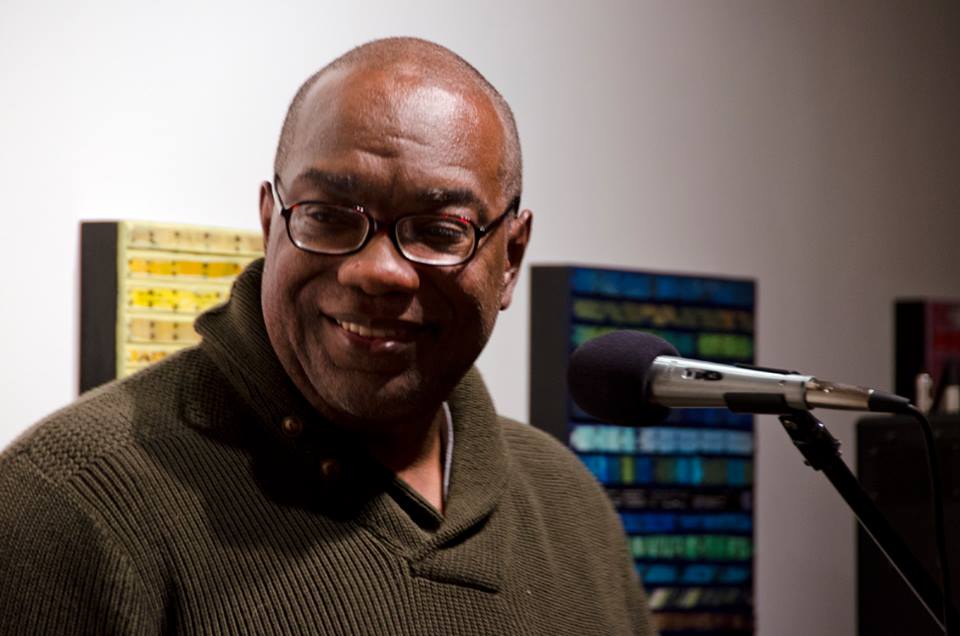
In 1996, Tenney Nathanson and Charles Alexander, director of Chax Press, founded POG, a collective of poets, literary critics, and practitioners of other art forms in Tucson. They hoped to offer public programming and other related events designed to promote appreciation of and engagement with avant-garde work in a variety of media, especially poetry and multi-disciplinary art. I joined the Board of Directors of POG for a short time in the early 2000s, then rejoined the Board a few years ago. Besides original board members Nathanson, Alexander, and Cynthia Miller, the following diverse group of writers and artists make up our current board: Farid Matuk, Steve Salmoni, Susan Briante, Johanna Skibsbrud, John Melillo, Teré Fowler-Chapman, and Brian Blanchfield.
POG has always showcased innovative poets and artists from around the United States and beyond, including Bernadette Mayer, Fred Moten, Alice Notley, Anne Waldman, Mei-mei Berssenbrugge, Nathanial Mackey, Ariana Reines, Giovanni Singleton, Heriberto Yepez, Roberto Tejada, and over a hundred more. Our readings traditionally pair a local poet with someone from outside of the Tucson area. POG has also hosted workshops and artist talks; the recent inPrint Symposium in February featured Amos Paul Kennedy Jr. and Kyle Schlesinger. The POG & Friends reading, now an annual tradition, is designed to build community and has fostered a greater sense of kinship among Tucson’s diverse literary venues.
POG also collaborates regularly with other Poets & Writers-funded organizations, including the Intermezzo Reading Series, Casa Libre en Solana, the Tucson Festival of the Book, the University of Arizona Poetry Center, and the University of Arizona English and Writing MFA programs. Just this month, our most current collaboration with the Tucson Poetry Festival enabled us to bring Claudia Rankine to Tucson.
The desert brings transformation and gifts. For this poet, those gifts have come in multitudes through the writers who make Tucson their home and the writers who touch down for a short visit. Many have come and stayed. None leave untouched by what is found here.
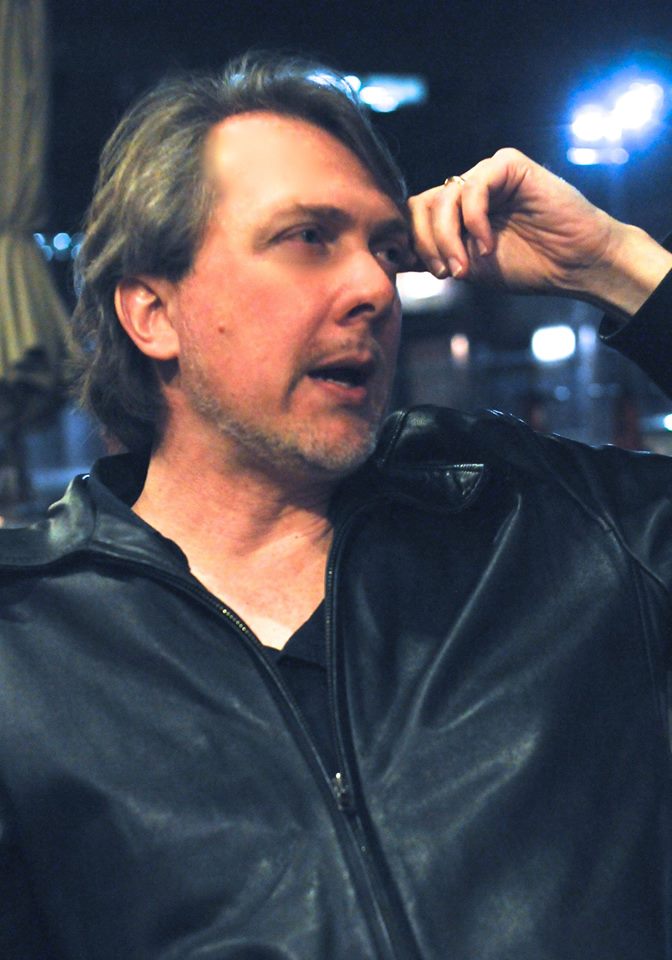
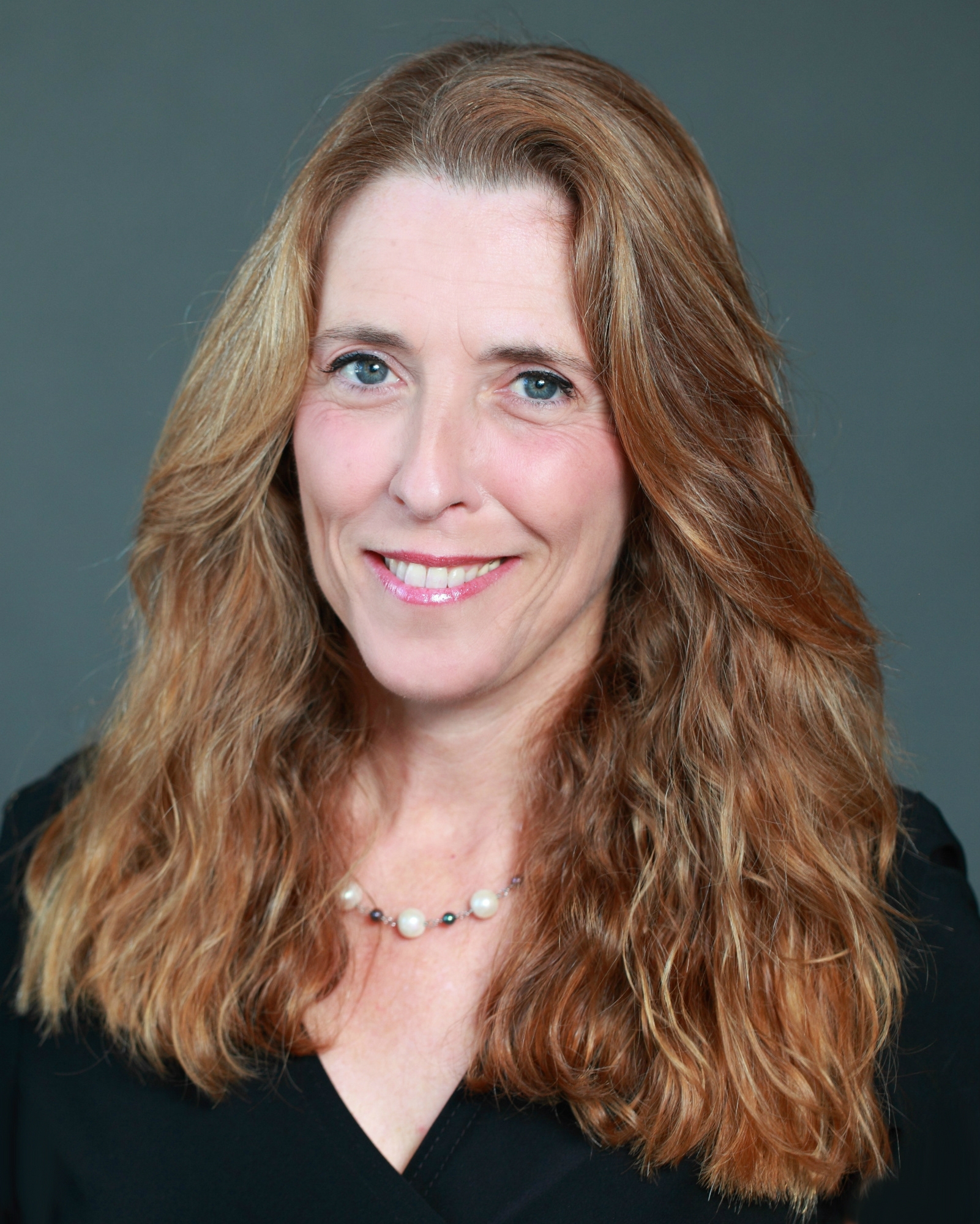
Photo (top): Samuel Ace Photo Credit: Samuel Ace
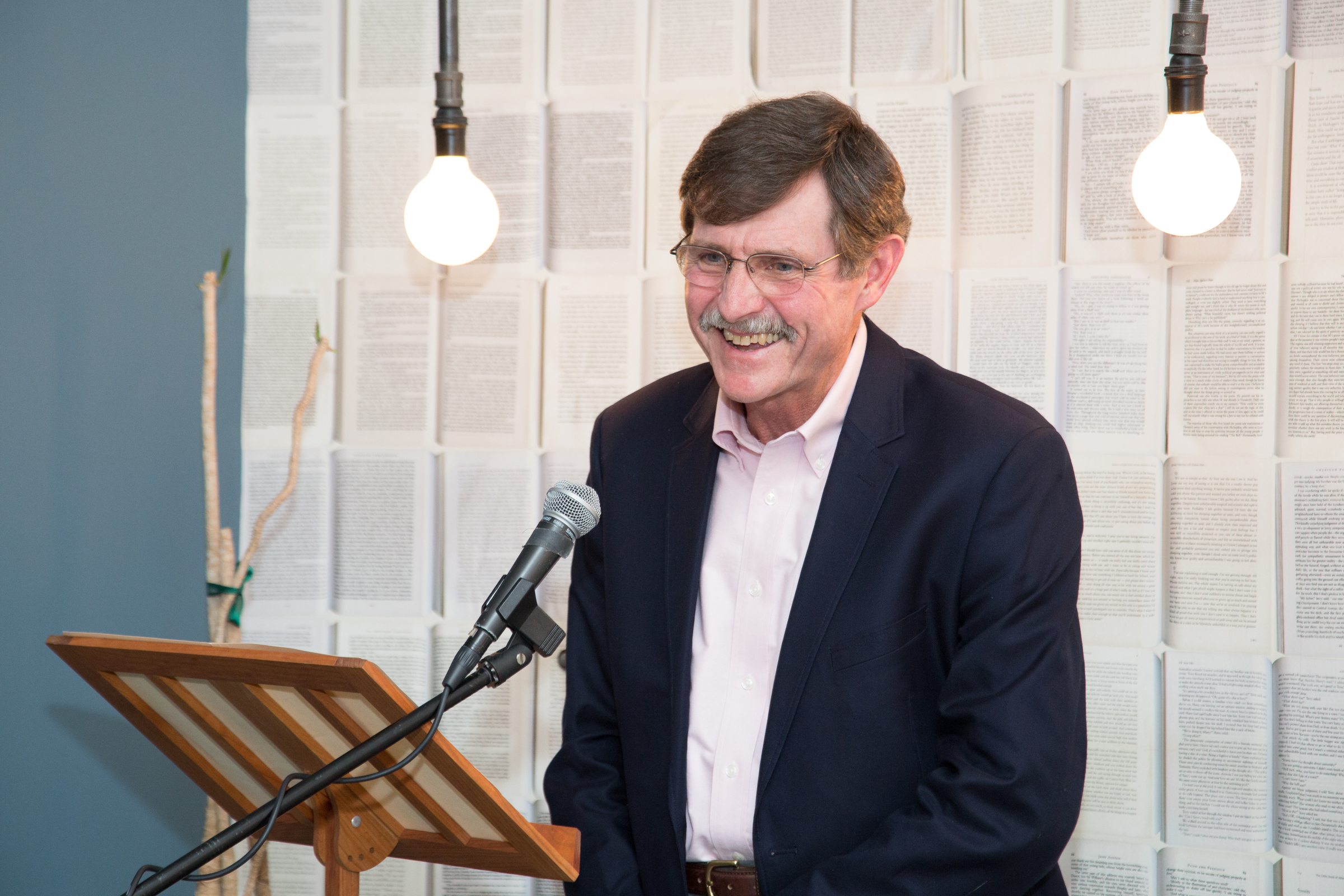
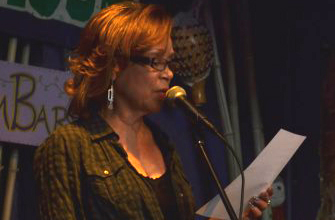
Photo (bottom): Fred Moten Photo Credit: Samuel Ace
Support for Readings & Workshops events in Tucson is provided by an endowment established with generous contributions from the Poets & Writers Board of Directors and others. Additional support comes from the Friends of Poets & Writers.
 How do you prepare for a reading or workshop?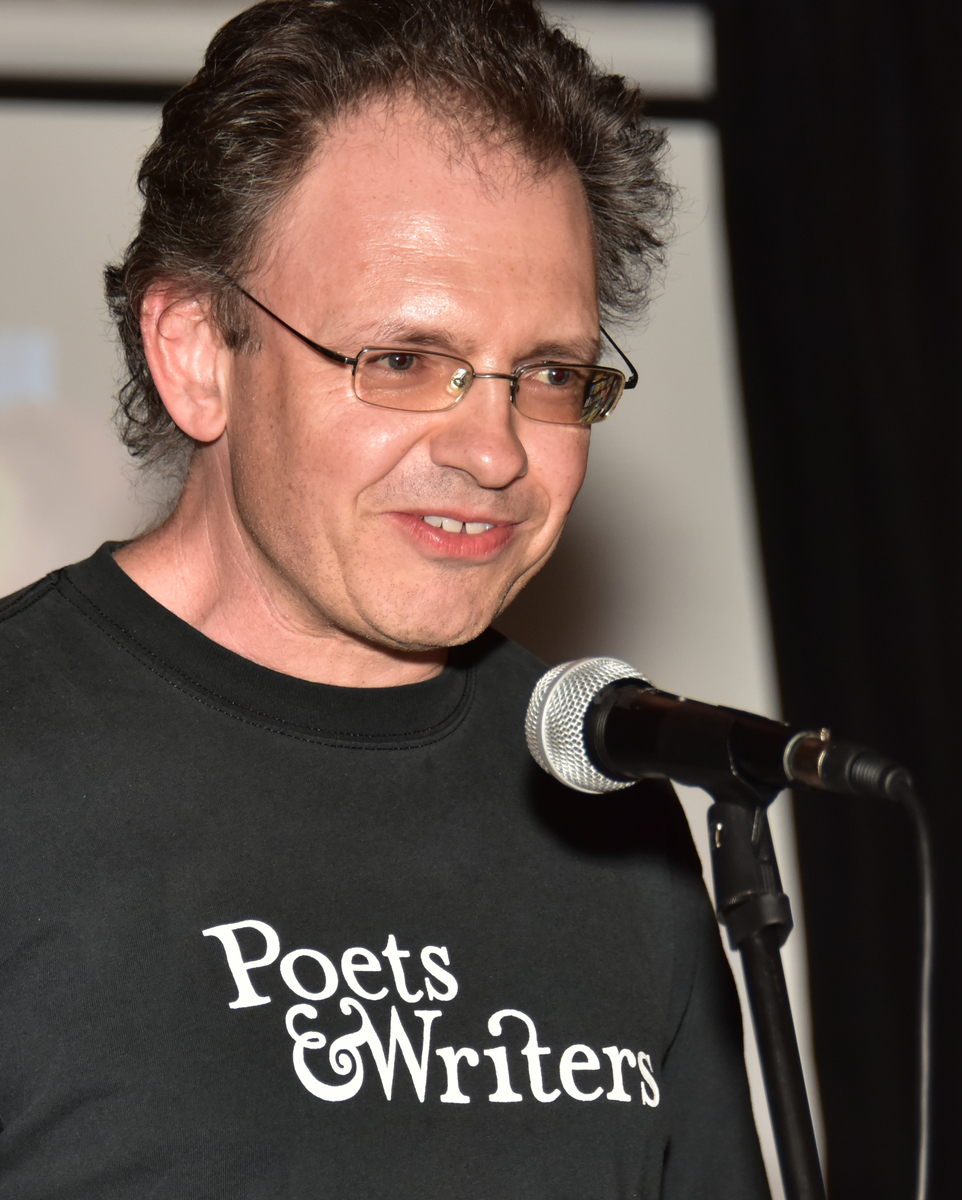
 I’ve been thinking of Virginia Woolf and her “moments of being,” the captured experiences and memories that press up, suddenly intense and vivid, and the “room of one’s own” she argued for as a necessary space to write (and of course there is her call for an income to make it possible—five hundred pounds, was it?). Mostly, I have thought of this space as literal. In New York City, perhaps not a whole room in our cramped living quarters, but at least a corner. Right now I’m thinking of the room where the Voices From War workshop meets, not in an apartment, not tucked away, but in a community center at the 14th Street Y in New York City. Instead of an empty room for solitude, the physical space is populated. Around the table are veterans from multiple generations, mostly men, a woman or two. Mark the participants’ ages and then the decades, and we can unpeel eras of war: Iraq and Afghanistan, Vietnam, Korea. A lot of unknowns within a wide array of experiences, even among those with commonalities. But the space is shared and everyone has stories, some of which they will write about.
 This has become more important to me than I expected, more important than I can even understand. These writers and their stories are the tiles in the mosaic of our history. Stories not yet written, stories (factual or fiction) not fully formed until they arrive from their authors on paper, later edited, shared, and revisited.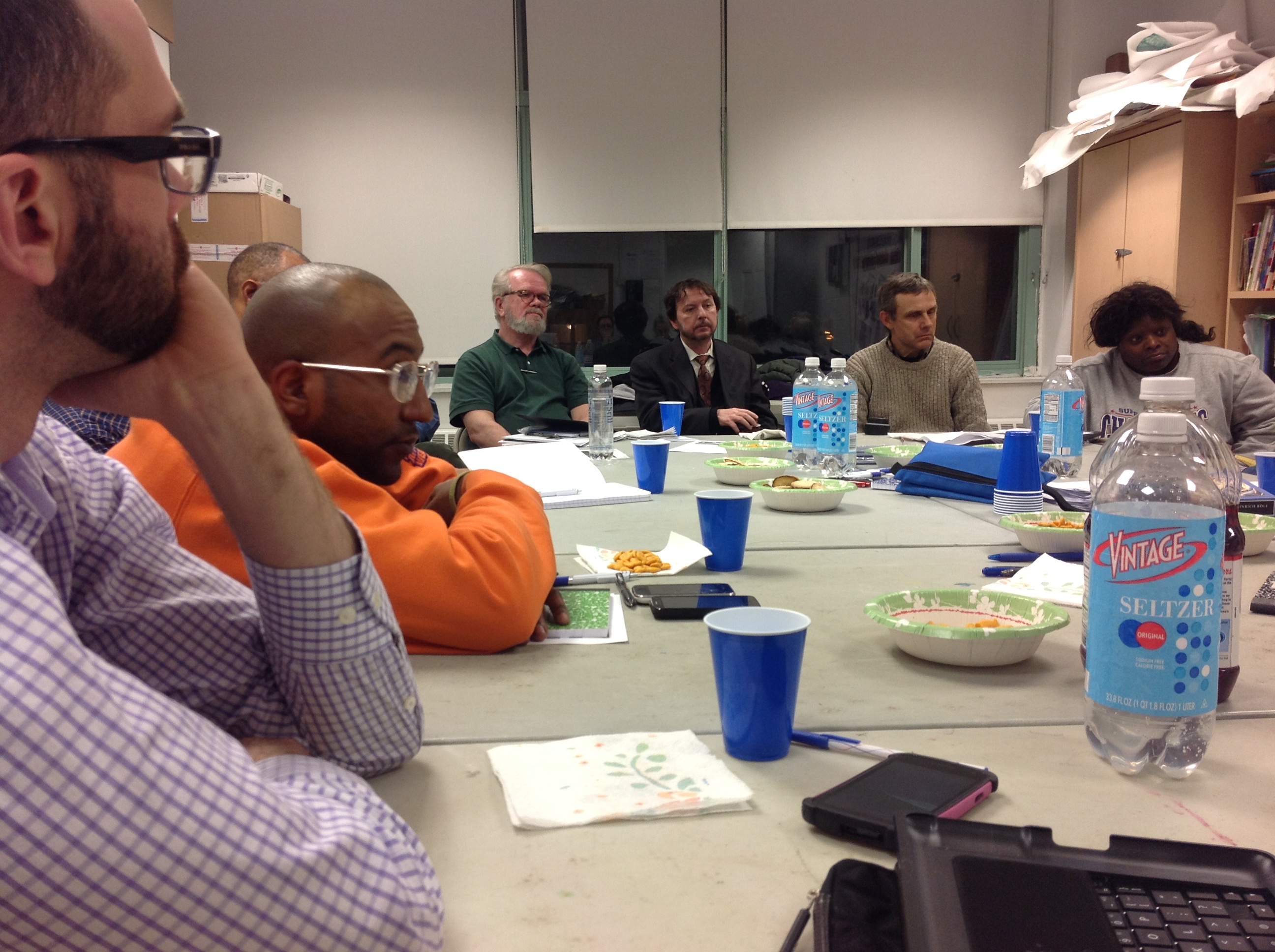
 If I was invisible