




Nana Kwame Adjei-Brenyah

“I recommend writers play with different modes of creativity. The first year of my MFA, I got really into designing logos for shirts and hats. The next year, I received a canvas and paint as a gift.
Jump to navigation Skip to content
In this online exclusive we ask authors to share books, art, music, writing prompts, films—anything and everything—that has inspired them in their writing. We see this as a place for writers to turn to for ideas that will help feed their creative process.
“I recommend writers play with different modes of creativity. The first year of my MFA, I got really into designing logos for shirts and hats. The next year, I received a canvas and paint as a gift.
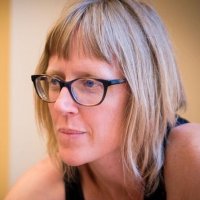
“I’d say the sonnet saved me, but that would seem too dramatic. So instead I’ll ask that you imagine me four years ago: a new mom to a crying baby. A writer of two unfinished books. A queer woman marooned in West Texas. The winter rains won’t stop. I’m sad, alone, and uninspired.

“A cool thing about me that not a lot of people know, even though I talk about it almost daily, is that Hilary Mantel is my spirit twin.

“Poetry is what I read when I just can’t with anything anymore, especially my own writing. I read it just about every day, more often when I am sick of or frustrated with my own writing voice.
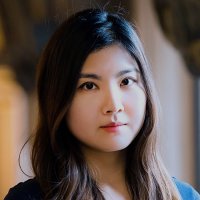
“I write in irregular flares. This isn’t to say that I wait for inspiration to strike: I sift through lines that others have written before me, and use them as lassoes to catch my own.
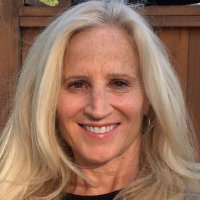
“Mary Oliver used to walk in the woods with a notebook. Walking so inspired her that she kept pens in the trees so if an idea or thought came to her, she’d be able to stop and write it down.
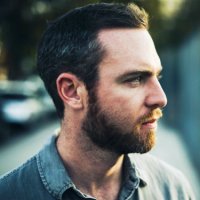
“I tend not to need too much motivation or inspiration, but I do try to make sure I’m having good weird adventures each and every year. Sometimes that means traveling to a new place or imbibing a new psychedelic substance or forcing a new interesting person to be my lifelong friend.
“As the mother of young children, the hours I spend working on poems are unaccountably precious. My husband and I exert huge amounts of energy to craft a family life that leaves space for my work, and after all that effort, I have no choice but to sit down and write.

“For me, the struggle to move forward in my writing tends to be an issue with the characters in my short stories. I don’t know them well enough. The writing feels forced, labored. I step away from my computer.

“Someone—a teacher of mine, though I am not sure who—told me that once you know what you’re doing in writing, you have to give up and move on.