






When I am stuck in a poem, I stop trying to be reasonable.
Lately I’ve been listening to a lot of folklore. On my weekly walks or at night while washing dishes, I’ll put on podcasts like Appalachian Mysteria or The Shocking Details and let myself sink into stories of backwoods disappearances, shapeshifters sighted at the edge of a tree line. What I love about cryptid lore is its refusal to resolve. No one proves the monster exists, and no one disproves it either. The story lives in that charged in-between.
Poetry needs that same permission. Law school, fielding e-mails, filing taxes, and all the deadlines in my life train me toward evidence and clarity. Folklore pulls me back toward atmosphere and rumor, toward the flicker of something half-seen. Listening to people’s voices braid oral history with speculation reminds me that narrative is communal first. Someone saw something. Someone told someone else. When I return to the page, I’m less interested in getting it right and more willing to let the strange detail stay strange. Sometimes the poem doesn’t need proof. Sometimes it just needs a whisper, or a creature no one can quite name.
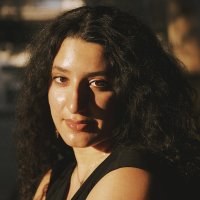
—Maya Salameh, author of Mermaid Theory (Haymarket Books, 2026)
Photo credit: Ryan Wimsatt