




First We Read, Then We Write: Emerson on the Creative Process
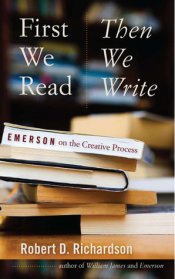
In this insightful resource for writers, author Robert D. Richardson explores the acclaimed poet Ralph Waldo Emerson’s literary accomplishments, creative processes, and writing advice.
Jump to navigation Skip to content
From the newly published to the invaluable classic, our list of essential books for creative writers.
In this insightful resource for writers, author Robert D. Richardson explores the acclaimed poet Ralph Waldo Emerson’s literary accomplishments, creative processes, and writing advice.

The author provides three hundred sixty-six inspirational and practical tips—one for each day of the year—that explore how to integrate writing into one’s everyday life and how to stay creatively focused on the craft of writing.
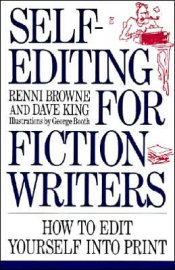
In this guide to self-editing, professional editors Renni Browne and Dave King share their combined expertise by offering practical techniques and advice for polishing prose and turning manuscripts into published works of fiction.
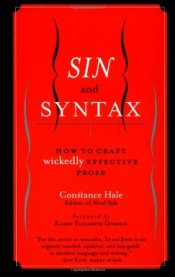
Author Constance Hale describes how to create clear, concise, and dynamic writing by focusing on the essential aspects of grammar such as adjectives, nouns, and implementing stylistic techniques that leverage sentence structure, voice, and rhythm.

Author Theo Pauline Nestor offers practical writing advice extrapolated from long years of hard work and colorful life experiences in this book that relates her personal journey into the writing profession.
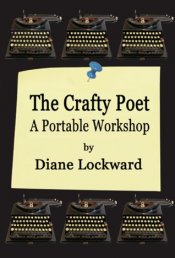
In this resource for poets, Lockward offers practical advice and insights about establishing sound, voice, and syntax in poetry while also providing writing prompts and other poems as inspiration.
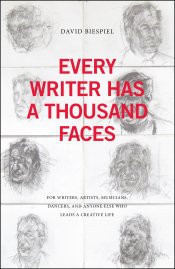
The author explores the creative process and imagination. He writes that “failure is the engine of creativity” and provides ways for authors to keep their writing fresh and open to new possibilities.
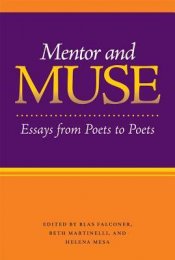
In this anthology Falconer, Martinelli, and Mesa compile essays written by leading poets who explore effective ways of writing and revising poetry.

The author discusses techniques for incorporating writing into one’s hectic, everyday life including how to set up specific writing goals, schedule deadlines, and implement strategies to minimize distractions.
Numerous authors—from Chris Abani and Shahriar Mandanipour to Sigrid Nunez and Xu Xiaobin— discuss works of literature that inspired them as writers.
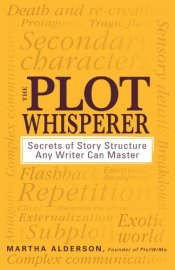
The author provides insight on how to create works of fiction with powerful stories and focuses on how to devise a Universal Plot, plot lines and subplots, compelling scenes, and character transformation.
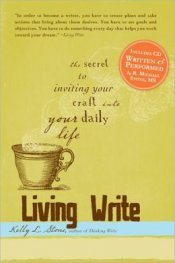
Stone explores practical, day-to-day techniques and psychological exercises designed to enable and encourage writers to write more effectively and prolifically.
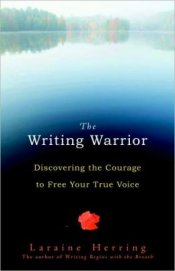
Herring, author of Writing Begins with the Breath, discusses exercises designed to foster greater spontaneity and freedom in one’s writing.
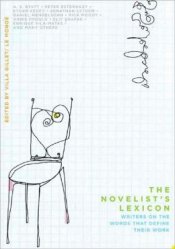
Renowned contemporary authors—including Rick Moody, Etgar Keret, Colum McCann, and Annie Proulx— select and write about a specific word that is meaningful to them. Their essays reveal to the reader the author’s inner-thoughts and quirky musings.
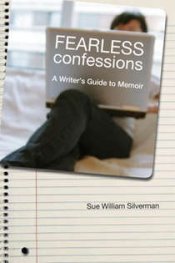
In this resource for writers, Silverman focuses on honing one’s personal story and voice in order to write a truthful, captivating memoir. Silverman also explores effective ways of marketing and publishing one’s “confessional,” as well.
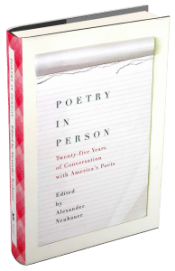
The author compiles interviews between Pearl London (daughter of M. Lincoln Schuster) and prominent poets including Derek Walcott, Robert Hass, Robert Pinsky, Louise Gluck, and Charles Simic. The poets gave writing seminars to students at the New School from from 1973 to 1996.
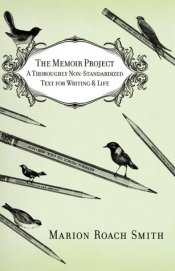
The author of The Roots of Desire: The Myth, Meaning, and Sexual Power of Red Hair provides straight-forward tactics and advice for writing honest memoirs.

The author provides practical ideas and techniques for writing truthful, absorbing, and factual memoirs. This guidebook is broken down into handy sections such as “Family Members as Characters,” “Fact-Checking,” “Reconstruction of Events,” and “Writer’s Responsibilities to Subjects.”
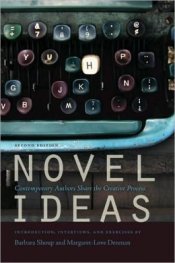
Shoup and Denman explore how to write a novel and focus on the elements of fiction and the process of revision. The authors also interview successful novelists in order to provide readers with further insight into crafting their own stories.
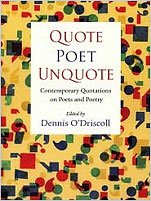
O’Driscoll collects hundreds of inspirational and thought-provoking quotations about poetry, spanning topics such as “Poetry in Motion,” “Poetic Drive,” and “Call Yourself a Poet,” from prominent authors.
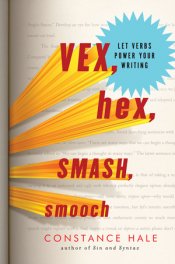
The author of Sin and Syntax: How to Craft Wickedly Effective Prose (Broadway Books, 1999) explores syntax, grammar, and powerful ways of utilizing verbs to write more compelling, effecive prose.
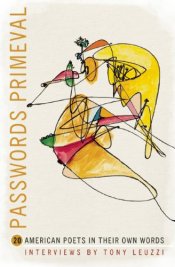
The author interviews successful poets about their work and focuses on prevalent themes, images, and their process of revision.
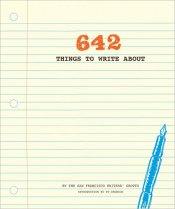
Get your creative juices flowing with this collection of witty, outrageous, and thought-provoking writing prompts compiled by thirty-five members of the San Francisco Writers' Grotto, a workspace for professional writers.
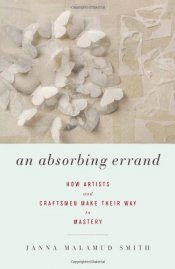
The author uses stories of artists' lives, personal anecdotes, and insights from the author's work as a psychotherapist to examine the psychological obstacles that prevent people, including poets and writers, from staying with, and relishing, the process of art-making.
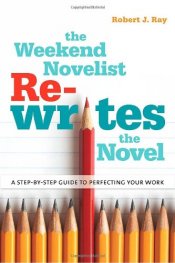
The author of The Weekend Novelist guides readers through a series of seventeen weekend revision exercises.