




Library Links to Banned Books
In response to a wave of book banning in libraries and schools across the United States, Brooklyn Public Library launched a program where young readers can borrow from the entire online collection at no cost.
Tags:
Jump to navigation Skip to content
In response to a wave of book banning in libraries and schools across the United States, Brooklyn Public Library launched a program where young readers can borrow from the entire online collection at no cost.
American metaphysical women poets; prisoner-turned-published author sued for cost of his incarceration; Hachette Livre CEO says e-books are stupid; and other news.
Picador editor on supporting overlooked voices; new e-book project explores digital ownership; Margaret Atwood’s additions to The Handmaid’s Tale audiobook; and other news.
On New Yorker poetry; serial publication and the collaborative writing process; Lena Dunham named spokesperson for Indies First; and other news.
Apple begins its e-book refund distribution today; untranslated Spanish novel recommendations; how fiction can expose more than memoir; and other news.
Shelfie app partners with U.S. bookstore; Ruth Ozeki on embodied writing; on avoiding childbirth scenes in fiction; and other news.
Charlotte Brontë’s bicentenary; the poetry of Rosmarie Waldrop; Bret Easton Ellis on the Broadway version of his novel American Psycho; and other news.
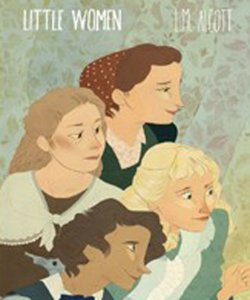
A new project crowdsources redesigned covers for classic works of literature, with the goal of “reviving the canon for a new generation of readers.”
On the craft choices of debut novelists; BuzzFeed launches section for new writing; missing Hong Kong editor returns; and other news.
Tim Parks on the state of translation; five ways Infinite Jest predicted the future; T. S. Eliot’s notes on detective fiction; and other news.