




Writers’ History Lessons

The Depression-era Federal Writers’ Project enlisted writers to tell a nation’s stories. Now the People’s Recorder podcast explores the history of the project and its continued relevance.
Tags:
Jump to navigation Skip to content
The Depression-era Federal Writers’ Project enlisted writers to tell a nation’s stories. Now the People’s Recorder podcast explores the history of the project and its continued relevance.

“Trust yourself enough to know that you don’t need to do backflips for your readers on the page. Just walk straight ahead.” —Aaron Robertson, author of The Black Utopians: Searching for Paradise and the Promised Land in America

The author of Wine People explores how conducting interviews can inform narratives and characters.
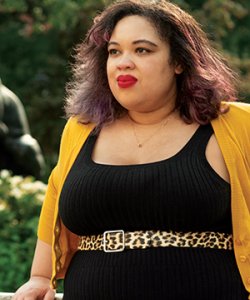
Ten years after her debut story collection was published, Danielle Evans returns with her second book, The Office of Historical Corrections, a timely reckoning with, among other things, America’s history of racialized violence.
In the follow-up to her best-selling debut novel, The Tiger’s Wife, which drew from her early childhood in Belgrade, Téa Obreht takes readers to the inhospitable and drought-ridden Arizona territory of 1893.
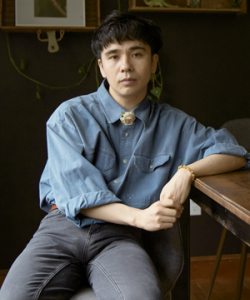
Following the acclaim of his debut poetry collection, Ocean Vuong found power in imagination and freedom in embellishment and wrote a stunningly original novel: On Earth We’re Briefly Gorgeous.
Paisley Rekdal’s sixth poetry collection, Nightingale, out in May from Copper Canyon Press, is a stunning book about transformation that will change the way we read violence, silence, and the stories handed down to us.

Poet and memoirist Meghan O’Rourke, the incoming editor of the Yale Review, discusses her approach to editing, her plans for the journal, and the trends she’s most excited about.
In all of her writing, including five books, most recently the novel Lost Children Archive,Valeria Luiselli grapples with enormous questions about immigration, incarceration, and the invented spaces of language and identity.

A conversation between two best-selling authors turns into an impromptu master class in fiction under a canopy of leaves in southwestern Virginia.